Weighing heating oil versus natural gas for your Suffolk County home? Compare real costs, efficiency ratings, and conversion expenses.
Share:

Summary:
When comparing heating fuels, most people look at the posted price and assume natural gas wins. That’s exactly what utility companies want you to think.
But price per unit means nothing without understanding heat output. One gallon of heating oil produces 138,000 to 140,000 BTUs of heat. Natural gas delivers only 100,000 BTUs per therm. You need about 40% more natural gas to match the heating power of oil.
Factor in equipment efficiency, and the gap narrows further. Modern oil systems achieve 85-95% efficiency ratings, while gas systems typically run 78-95%. The math gets complicated quickly, which is why so many homeowners make expensive mistakes.
The sticker price tells only part of the story. Natural gas comes with monthly service charges, connection fees, and infrastructure costs that oil heating avoids entirely.
Your gas bill includes delivery charges, customer fees, and taxes that can add $20-40 monthly before you burn a single therm. Over a heating season, these fixed costs accumulate to hundreds of dollars. Oil customers pay only for fuel delivered to their tank.
Then there’s the reliability factor. When storms knock out power, your gas furnace stops working even if gas lines remain intact. Oil systems with gravity feed or battery backup keep running when you need heat most.
Maintenance tells another story entirely. Gas utilities provide no preventive maintenance or emergency service for your equipment. You’re responsible for annual tune-ups, repairs, and replacement costs. Oil companies often include service options and emergency support as part of their customer relationships.
The equipment lifespan difference surprises most homeowners. Oil heating systems last 30+ years with proper maintenance. Natural gas furnaces typically need replacement after 11-14 years. When you calculate total ownership costs over decades, oil often wins despite higher fuel prices.
The sticker price tells only part of the story. Natural gas comes with monthly service charges, connection fees, and infrastructure costs that oil heating avoids entirely.
Your gas bill includes delivery charges, customer fees, and taxes that can add $20-40 monthly before you burn a single therm. Over a heating season, these fixed costs accumulate to hundreds of dollars. Oil customers pay only for fuel delivered to their tank.
Then there’s the reliability factor. When storms knock out power, your gas furnace stops working even if gas lines remain intact. Oil systems with gravity feed or battery backup keep running when you need heat most.
Maintenance tells another story entirely. Gas utilities provide no preventive maintenance or emergency service for your equipment. You’re responsible for annual tune-ups, repairs, and replacement costs. Oil companies often include service options and emergency support as part of their customer relationships.
The equipment lifespan difference surprises most homeowners. Oil heating systems last 30+ years with proper maintenance. Natural gas furnaces typically need replacement after 11-14 years. When you calculate total ownership costs over decades, oil often wins despite higher fuel prices.
Want live answers?
Connect with a Suffolk Oil expert for fast, friendly support.
Nearly half of Suffolk County homes rely on heating oil for good reason. The infrastructure, climate, and housing stock favor oil heating over natural gas alternatives.
Many neighborhoods lack natural gas service entirely, making oil the practical choice. Even where gas lines exist, connection costs and permitting delays can stretch conversions over months. Oil delivery starts immediately with no infrastructure requirements.
Local contractors understand oil systems better than gas equipment. Finding qualified service technicians is easier, and emergency repairs happen faster. When your heat fails at midnight in January, response time matters more than fuel efficiency ratings.
Oil heating gives you complete control over fuel purchasing decisions. You choose when to buy, how much to order, and which supplier to use. Price shopping among multiple dealers keeps costs competitive.
Natural gas customers get one supplier with regulated rates. When prices spike, you pay whatever the utility charges. No competition means no leverage for better deals or customer service.
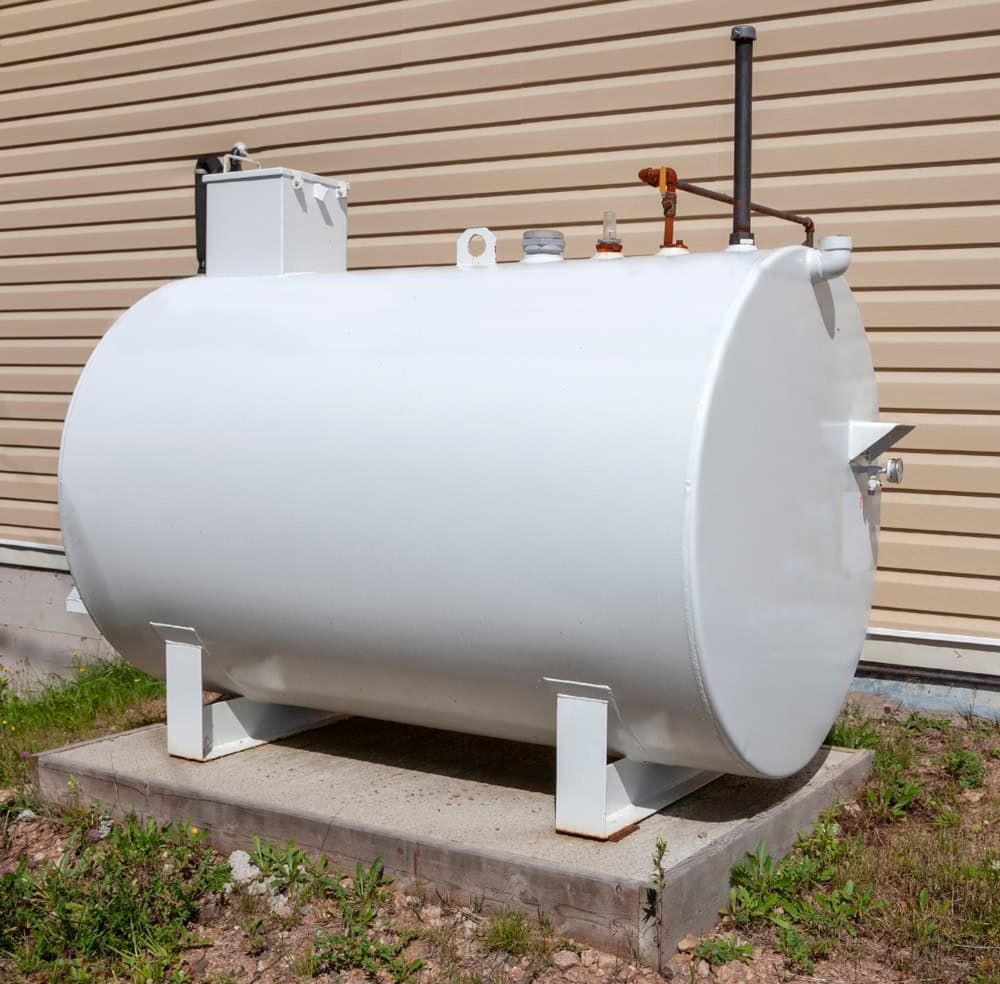
Storage on your property provides security during supply disruptions. Your oil tank holds weeks of fuel supply, protecting against delivery delays or market shortages. Gas customers depend entirely on continuous pipeline service.
Budget management becomes easier with oil heating. You see exactly what fuel costs and when you need more. Gas bills vary monthly with usage and rate changes, making budgeting unpredictable. Many homeowners prefer the transparency of oil purchasing.
Emergency situations highlight these advantages. Hurricane damage to gas infrastructure can leave entire neighborhoods without heat for weeks. Oil customers with fuel in their tanks maintain heating capability regardless of utility service disruptions.
The environmental comparison isn’t as simple as natural gas marketing suggests. While gas burns cleaner at your home, the extraction and transportation process creates significant environmental impact.
Hydraulic fracturing for natural gas production releases methane, a greenhouse gas 25 times more potent than carbon dioxide. Pipeline leaks and processing emissions add to the environmental cost. Modern heating oil produces fewer lifecycle emissions than many realize.
Biofuel blends improve oil’s environmental profile further. Suffolk County requires B5 heating oil containing 5% biodiesel. This renewable component reduces carbon emissions while maintaining excellent heating performance.
Safety statistics favor heating oil significantly. Oil won’t burn in liquid form and requires specific vaporization conditions to ignite. Spills create cleanup issues but no explosion risk. Natural gas leaks can cause fires, explosions, and carbon monoxide poisoning.
Gas utilities add chemical odorants to help detect leaks, but these can fade over time or become masked by soil conditions. Small leaks often go unnoticed until they become dangerous. Oil leaks are immediately visible and pose no immediate safety threat.
Professional installation and maintenance matter for both fuels, but gas systems require more stringent safety protocols. Improper gas work can kill people. Oil system mistakes typically cause equipment problems, not life-threatening situations.
The heating fuel decision depends on your specific situation, not generic marketing claims. Consider total costs including conversion expenses, equipment lifespan, and ongoing maintenance requirements.
If your oil system works reliably and you’re satisfied with current costs, conversion rarely makes financial sense. The payback period often exceeds equipment life expectancy. Money spent on conversion might generate better returns through insulation upgrades or high-efficiency oil equipment.
For homeowners committed to heating oil, choosing the right supplier makes a significant difference. We provide transparent pricing, reliable delivery, and quality fuel without the complications of full-service contracts. Sometimes the best decision is optimizing what you already have rather than chasing the latest trend.
Article details:
Share:
Continue learning: