Master the essential steps to ensure safe, efficient heating oil delivery to your Suffolk County home this winter season.
Share:
Summary:
The foundation of any successful heating oil delivery starts with clear, safe access to your tank. Delivery drivers carry heavy hoses and equipment, often in challenging weather conditions, making their safety your responsibility.
The most important thing you need to do is ensure that there is a safe, clear path from your driveway to the heating oil tank. This isn’t just about convenience—it’s about liability and ensuring your delivery actually happens.
Delivery drivers have the right to not enter a property if their safety is at stake, which means you’ll have to reschedule an appointment if we could not complete the delivery due to safety concerns.

Think of your property from a delivery driver’s perspective. They’re navigating unfamiliar terrain while managing heavy equipment, often under time pressure during peak heating season in Suffolk County, NY.
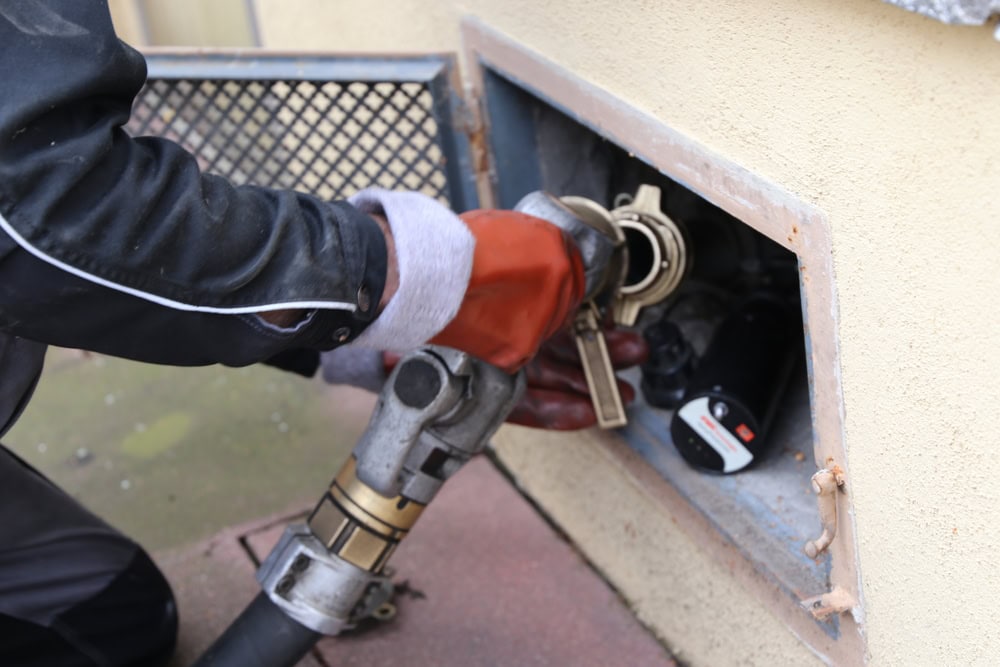
Our drivers must drag a large hose to your intake pipe, and this hose will need to be able to travel through the area both easily and safely, with no obstructions or hazards like rocks or tree branches along the walkway.
Start by walking the path from your driveway to your oil tank fill pipe. Remove any personal items that might be in the way. If you store personal items like tools, shovels, rakes, wheelbarrows, pails, boxes, old furnishings, or anything else near your tank or the tank fill position, it is important that you clear them from the area because our drivers are specifically instructed not to move, touch, or alter any of your personal property for safety and liability reasons.
Don’t forget about seasonal debris. It is all too common for leaves, twigs, and branches to pile up around the fueling area, and if this shrubbery has been sitting there for a while, it can very quickly hide the tank’s fill pipe, making it impossible for the delivery driver to complete the task.
Even your landscaping needs attention. Sometimes this inlet may be surrounded by bushes, so you’ll want to make sure that you keep these trimmed too so that it’s easy to access your inlet point.
Think of your property from a delivery driver’s perspective. They’re navigating unfamiliar terrain while managing heavy equipment, often under time pressure during peak heating season in Suffolk County, NY.
Our drivers must drag a large hose to your intake pipe, and this hose will need to be able to travel through the area both easily and safely, with no obstructions or hazards like rocks or tree branches along the walkway.
Start by walking the path from your driveway to your oil tank fill pipe. Remove any personal items that might be in the way. If you store personal items like tools, shovels, rakes, wheelbarrows, pails, boxes, old furnishings, or anything else near your tank or the tank fill position, it is important that you clear them from the area because our drivers are specifically instructed not to move, touch, or alter any of your personal property for safety and liability reasons.
Don’t forget about seasonal debris. It is all too common for leaves, twigs, and branches to pile up around the fueling area, and if this shrubbery has been sitting there for a while, it can very quickly hide the tank’s fill pipe, making it impossible for the delivery driver to complete the task.
Even your landscaping needs attention. Sometimes this inlet may be surrounded by bushes, so you’ll want to make sure that you keep these trimmed too so that it’s easy to access your inlet point.
Want live answers?
Connect with a Suffolk Oil expert for fast, friendly support.
Beyond clear access, your heating oil tank itself needs proper preparation and identification. This ensures the right tank gets filled and helps prevent costly mistakes that could damage your property or heating system.
If you live in a multifamily building with separate oil tanks, make sure your tank is properly labeled as yours so that fuel isn’t delivered to the wrong tank. Even single-family homes can have complications if previous tanks weren’t properly removed.
Sometimes, fuel tanks are moved or relocated but the fill pipe is not, which can lead to fuel being pumped into an obsolete tank or into an incorrect area.
Your oil tank’s fill pipe is the critical connection point for your heating oil delivery, but it’s often the most overlooked aspect of delivery preparation. Many Suffolk County homeowners don’t realize that multiple fill pipes on a property can create confusion and potential safety hazards.
If you have multiple fill pipes, be sure to mark the one that is attached to the tank you want to fill, as by law, fill pipes that are not attached to a viable tank must be permanently sealed. This legal requirement exists for good reason—delivering oil to a disconnected pipe can cause environmental contamination and expensive cleanup costs.
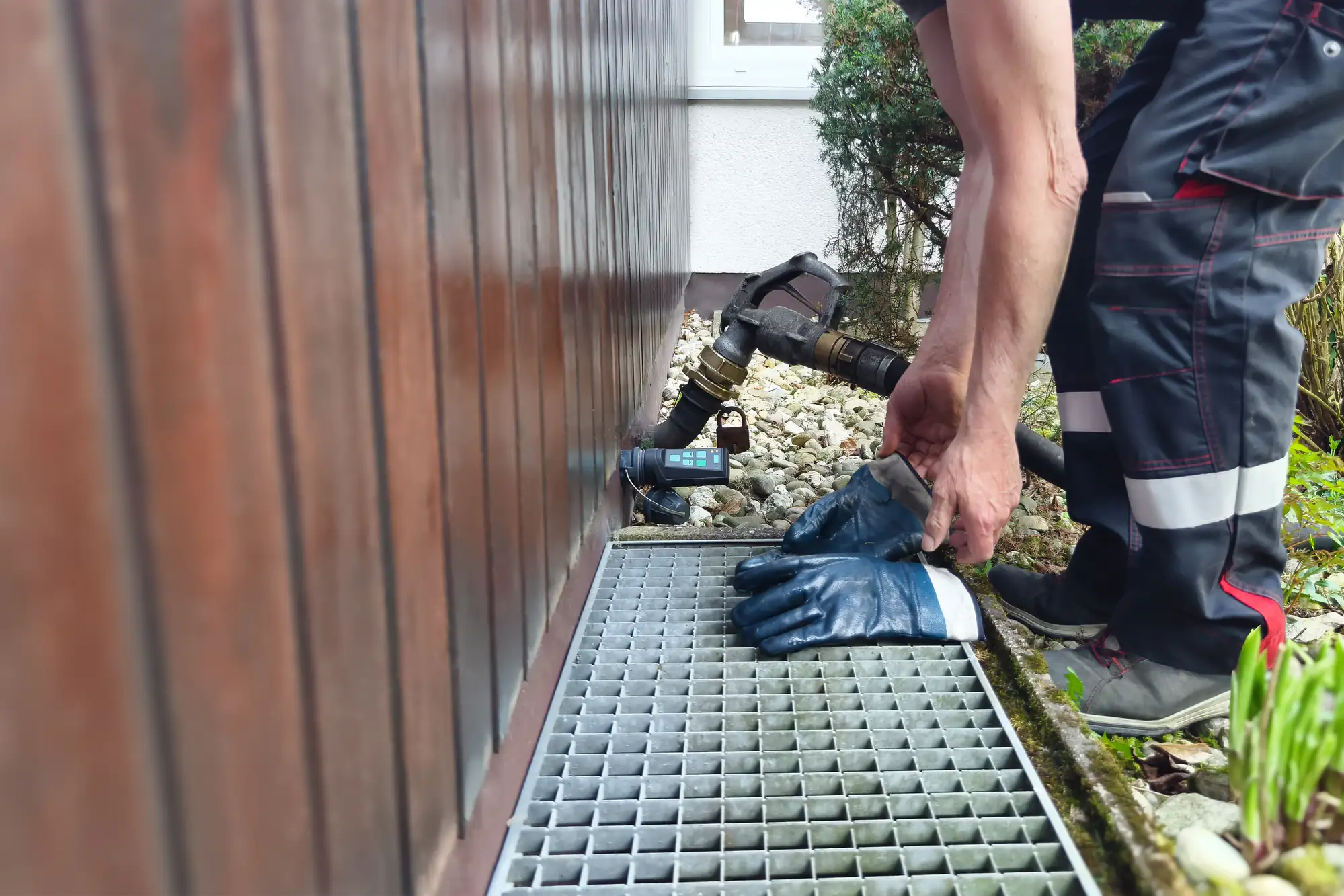
Make sure your fill pipe is easily visible and accessible. Sometimes you may have gates surrounding the access point to your intake pipe, and when this happens you’ll want to make sure that the gates are left open. If you can’t leave them open, at least make sure that they’re easy for your driver to open, because if you keep your gates locked, you can pretty much guarantee that your delivery will not take place and you’ll have to reschedule it.
This becomes especially important when you’re not home during delivery. Pay special attention to this when nobody is going to be home when you’ve scheduled your delivery to arrive. If our heating oil delivery driver can access your tank without you being there, then you don’t need to be home.
Don’t forget about pets. There are also times when your fill pipe may not be inside of a locked driveway gate but you may still have a fence around your yard and own a dog. Many homeowners leave the pets out in their yard, which usually isn’t a problem, but in case of an attack, the homeowner is liable for any injuries and damages. To keep everyone safe, including you and your pet, prepare a safe place for them or keep them inside your home during the delivery schedule.
Before any heating oil delivery arrives at your Suffolk County home, take a few minutes to inspect your tank area for potential safety issues. This simple step can prevent delivery delays and identify problems before they become expensive emergencies.
It’s imperative to inspect your home heating oil tank annually to detect leaks and address aging issues promptly, preventing potential indoor oil leaks. But even a quick visual check before each delivery can catch developing problems.
Steel oil tanks are welded along their perimeter and sides, and due to possible imperfections in welding, these seams must be checked for rust as rusting seams can lead to slow oil leakage. Look closely for any signs of leakage around or on the tank seams.
Similar to seams, the bottom of home heating oil tanks is prone to inside-out corrosion. Some oil blends are hygroscopic, absorbing water, which leads to internal tank corrosion and eventual hole formation. Check the tank’s bottom for any signs of leaks and scrutinize the fitting where oil exits the tank; it must be securely sealed and leak-free as it connects to the oil line.
Although leaks at the top may seem less critical than those at the bottom, they warrant attention. Check for oil drips around the fittings at the tank’s top, as the presence of oil suggests potential overfilling, leading to spillage into the basement or soil via the vent pipe. Evidence of overfilling may necessitate a new vent alarm/whistle installation to prevent future issues.
If you notice any of these issues, contact us before the delivery. Regularly inspecting your oil tank ensures early detection of issues, preventing potential leaks. If aging or damage is evident, consider replacing the tank, as while tanks can last up to 30 years, leaks can cause significant damage.
Taking these preparation steps isn’t just about making your delivery driver’s job easier—it’s about protecting your investment, your family’s safety, and ensuring reliable heat throughout Suffolk County’s challenging winters.
Understanding proper safety protocols helps you protect both your family and your property investment while maintaining reliable heating throughout Long Island’s challenging winter conditions. Here are the essential safety measures every heating oil homeowner needs to implement and maintain year-round.
Remember, a smooth heating oil delivery starts with your preparation. When you take the time to clear pathways, secure pets, mark your tank properly, and maintain safe access, you’re investing in peace of mind and reliable service.
For homeowners in Suffolk County, NY who want dependable heating oil delivery with a company that understands these safety requirements, we at Consolidated Energy – Suffolk Oil combine decades of local experience with a commitment to safe, professional service that keeps your family warm all season long.
Continue learning: