Radiant floor heating promises warmer rooms and lower bills — but is it the right call for your Suffolk County home? Here's what you actually need to know.
Share:
Summary:
If you’ve ever stepped onto a freezing tile floor at 6 AM in January, you already know why people start researching radiant heating. Here in Suffolk County, winters aren’t forgiving — with average temperatures around 32°F and nor’easters capable of dropping a foot or two of snow overnight, your heating system doesn’t get much of a break between October and May.
Radiant floor heating has been around for decades, but it’s gotten more attention lately as homeowners across Long Island look for ways to cut energy costs without sacrificing comfort. We’ve seen the interest grow, and we’ve learned what actually works in our climate. This guide covers how the system works, what it costs, and whether it makes sense for homes here in Suffolk County — not just in theory, but in practice.
Radiant floor heating works by warming the floor surface itself, which then radiates heat upward into the room. Instead of blowing warm air from a vent near the ceiling — where it promptly rises and stays — a radiant system heats the space from the ground up, right where you’re actually standing.
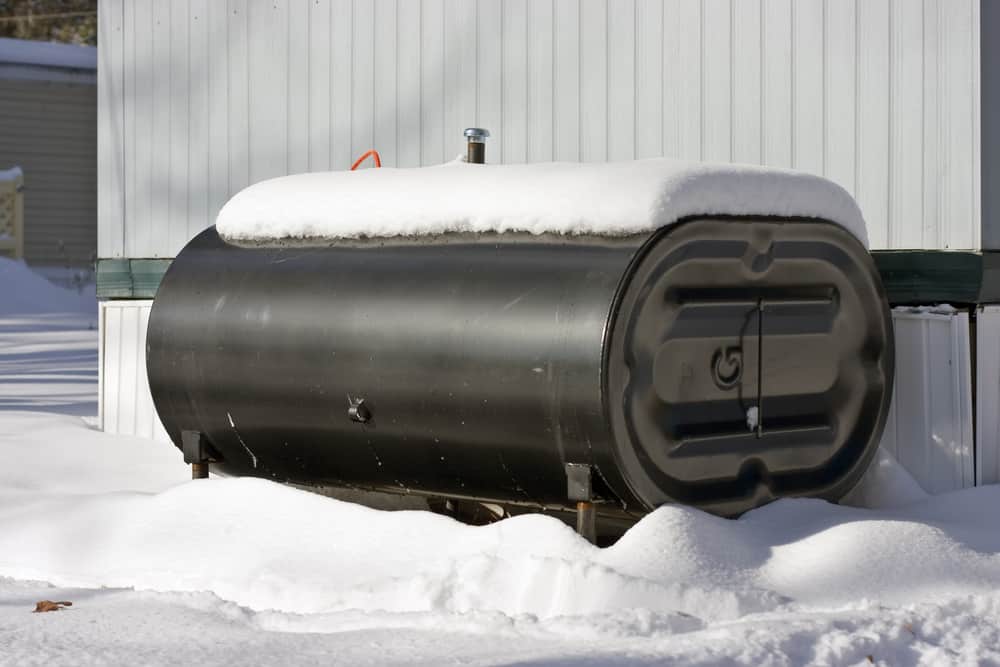
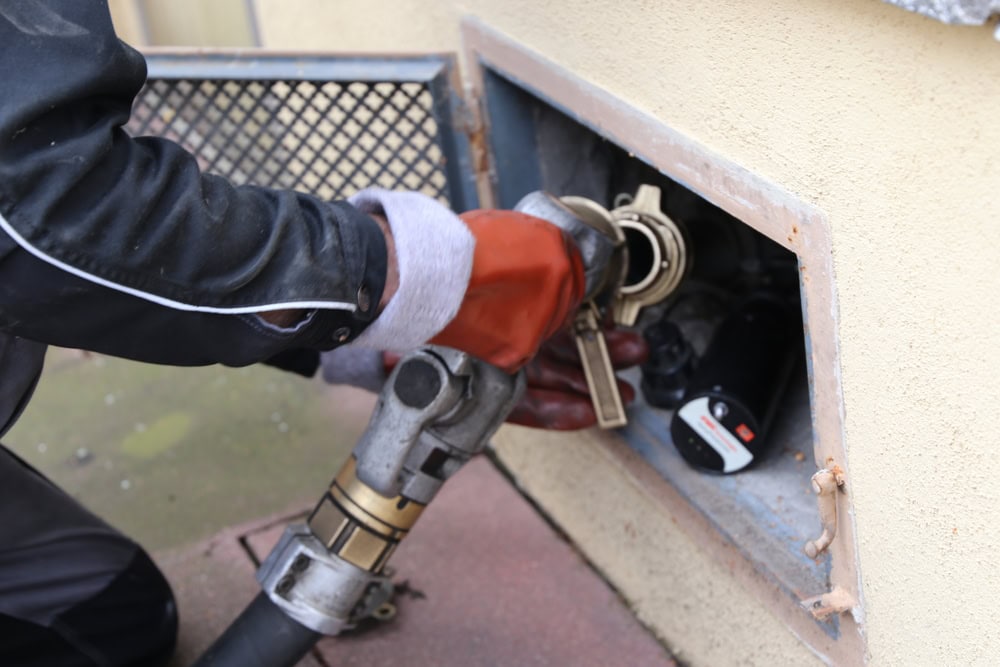
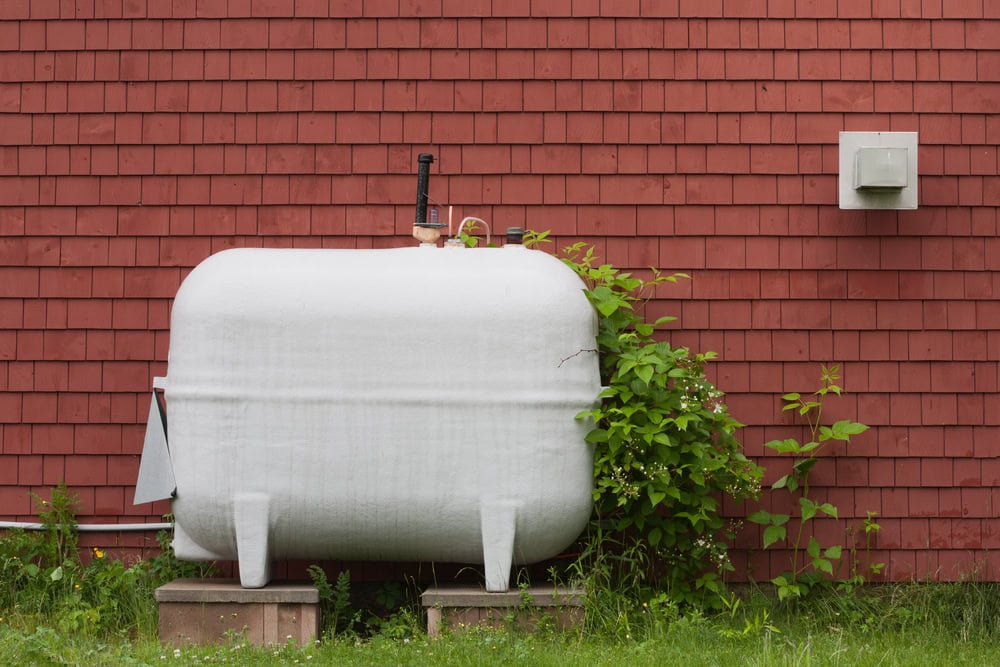
There are two main types. Electric systems use heating cables or mats installed beneath the floor surface, drawing power directly from your home’s electrical system. Hydronic systems circulate warm water through flexible PEX tubing laid beneath the floor, connected to a boiler. Both achieve the same result, but they work differently and suit different situations. For homeowners considering an oil-fired boiler for hydronic heating, heating oil services can be an important part of the overall system.
Electric radiant systems are generally the easier and less expensive option to install in a single room. A bathroom renovation in Huntington or a kitchen remodel in Smithtown is a common entry point — the mats go down under new tile, the thermostat gets wired in, and you’re done. Installation typically runs $15 to $25 per square foot, and the system requires zero maintenance once it’s in place. These systems have a lifespan of 25 years or more with no moving parts to service.
The tradeoff is operating cost. Electricity on Long Island is expensive, and running electric radiant heat as your primary heat source for an entire home adds up fast. Monthly operating costs can range from $17 to $86 depending on room size and how cold it gets — and in a Suffolk County winter, it gets cold.
Hydronic systems cost more upfront — installed costs for a whole-home system typically run $19,000 to $48,000 — but they’re far more economical to operate over time. Warm water circulates through PEX tubing at relatively low temperatures, around 80 to 120°F, which is actually cooler than what a traditional boiler sends to baseboard radiators. That lower operating temperature is part of why hydronic radiant systems are so efficient.
For most homeowners in Suffolk County who already heat with oil, a hydronic system is the natural fit. Large portions of the county don’t have natural gas infrastructure, so oil-fired boilers are the dominant heat source. The good news is that many existing oil boilers can be adapted to power a hydronic radiant system — though a technician assessment is always the right first step. Either way, the fuel source stays the same, which means your relationship with a reliable heating oil supplier matters just as much as the system itself.
One thing worth knowing: hydronic systems paired with modern condensing boilers can reach efficiency ratings of 90 to 98% AFUE. Compare that to forced-air ductwork, which loses 25 to 40% of heat energy before it ever reaches the room, according to the U.S. Department of Energy. That gap is where the long-term savings come from.
One of the most common misconceptions about radiant heating is that installing it always means tearing up every floor in the house. That was largely true decades ago, but modern installation methods have changed the picture considerably — especially for existing homes.
In new construction, PEX tubing is typically embedded directly into a concrete slab or poured gypcrete underlayment before the finished floor goes down. This is the cleanest, most efficient method, and it’s the reason radiant heating has become standard in high-end new builds across the East End, from Southampton to East Hampton. The thermal mass of the concrete holds heat well, which means the system runs in longer, more efficient cycles rather than constantly switching on and off.
For existing homes — and much of Suffolk County’s housing stock dates back to the 1950s through 1970s — there are two realistic paths. Dry installation sandwiches PEX tubing between layers of plywood or attaches it beneath the subfloor without any concrete involved. It’s less thermally efficient than a slab installation but far less disruptive. The other option is electric radiant mats, which are ideal for room-by-room upgrades during a renovation. If you’re already pulling up the tile in a bathroom in Bay Shore or replacing the kitchen floor in Setauket, adding electric radiant heat at that point is straightforward and cost-effective.
What every quality installation shares, regardless of method, is a pressure test before the floor covering goes down. This step is non-negotiable. If there’s a leak in the tubing and it’s discovered after the floor is finished, the repair cost is substantial. A thorough pressure test eliminates that risk. You should also expect any reputable contractor to pull the required Suffolk County building permits — hydronic systems require both plumbing and electrical licensing under New York State law, and skipping permits is a red flag worth taking seriously.
The system also needs to be properly zoned. Each area of the home should have its own thermostat control so you’re not heating rooms that don’t need it. A well-designed zone layout is one of the clearest signs of a quality installation — and one of the biggest contributors to long-term energy savings.
Want live answers?
Connect with a Suffolk Oil expert for fast, friendly support.
The upfront cost is real, and there’s no point dancing around it. A whole-home hydronic radiant system typically runs $19,000 to $48,000 installed. Electric systems for a whole home come in at $19,000 to $36,000. Those are significant numbers.
But the more useful question is what you get in return — and over what timeframe. For homeowners in Suffolk County dealing with a seven-month heating season, high fuel costs, and older homes that bleed heat through inefficient ductwork, the efficiency gains from radiant heating are more impactful than they’d be in a warmer climate. A 20 to 40% reduction in heating costs adds up differently when you’re running your system from October through May.

Payback timelines vary depending on how and where the system is installed. In new construction, where the radiant tubing goes in before the floors are finished and the boiler is sized correctly from the start, payback periods typically fall between five and ten years. That’s a reasonable return on a system that will last 50 years or more if the PEX tubing is properly installed.
Major renovation projects — where radiant heating is added as part of a larger remodel — generally see payback in eight to fifteen years. Retrofit installations in existing finished homes tend to run longer, twelve to twenty years, because the installation costs are higher and the disruption is greater. The math still works for many homeowners in Suffolk County, but the timeline is longer.
What the payback calculation often leaves out is comfort. The efficiency numbers are compelling, but the daily experience of warm floors on a January morning in Hauppauge or Commack, no cold spots in the corner of the living room, and no dust circulating through the house — that’s not a line item on a spreadsheet. For a lot of homeowners, that part of the equation matters just as much as the energy savings.
There’s also a real estate angle worth considering. Industry data suggests homes with radiant heating sell measurably faster than comparable homes without it. In Suffolk County’s competitive housing market, where median home values are well above the national average, an upgrade that supports a faster sale at a stronger price isn’t just a comfort decision — it’s a financial one.
If you’re building new or doing a major renovation and want to go as far as possible on efficiency, geothermal heating paired with a hydronic radiant floor system is worth understanding. The two technologies complement each other almost perfectly, and it’s not a coincidence.
Geothermal heating works by extracting heat from the ground through a series of buried loops, then using a heat pump to concentrate and deliver that heat to your home. The ground temperature at six feet below grade stays around 50 to 55°F year-round — even when it’s 15°F above ground during a Long Island nor’easter. A water-to-water geothermal heat pump takes that stable ground temperature and delivers water at roughly 90 to 110°F to your heating system.
Here’s where the pairing becomes particularly effective: a hydronic radiant floor system only needs water at 80 to 120°F to heat a room comfortably. Traditional oil boilers heat water to 140 to 180°F to compensate for the inefficiencies of baseboard radiators — energy that’s essentially wasted in the process of cooling that water back down. Geothermal delivers water at almost exactly the temperature radiant floors actually need. The result is a system operating at its ideal conditions, with no energy wasted overheating the supply water.
The efficiency numbers reflect this. Geothermal heat pumps achieve a coefficient of performance — essentially a measure of output versus input — of 4 to 5. That means four to five units of heat for every one unit of electricity consumed. For comparison, even a 95% efficient condensing boiler delivers less than one unit of heat per unit of fuel burned. Modern hydronic heat pumps can reach effective efficiencies of 350 to 450%, which is simply not achievable through combustion.
The honest caveat is cost. Geothermal systems require drilling or trenching for the ground loops, which adds significantly to the installation price. For most homeowners in Suffolk County with an existing oil boiler, geothermal is a premium option better suited to new construction or a full gut renovation where the economics work over a longer horizon. For those situations, though, it’s the most efficient heating system available — and the combination with radiant floors is about as good as residential heating gets.
For most homeowners, the answer depends on where you’re starting from. If you’re building new, adding radiant heating is one of the smartest investments you can make — the installation cost is manageable, the payback period is reasonable, and you’ll feel the difference every day of a seven-month Long Island winter. If you’re renovating a bathroom or kitchen, electric radiant mats are a low-disruption upgrade that makes an immediate impact. Whole-home retrofits in existing homes require a longer view, but for the right property and the right homeowner, they make sense.
What doesn’t change regardless of system type is the importance of reliable fuel delivery. A hydronic radiant system is only as consistent as the oil supply keeping the boiler running — and that’s where we come in. We’ve been delivering heating oil to homes across Suffolk County since the 1970s. We know these winters, we know this county, and we keep your system running when it matters most.
If you’re ready to talk about your heating setup — whether you’re upgrading your system, need a boiler tune-up, or just want to make sure your oil supply is locked in before the season starts — reach out to us at Suffolk Oil.
Article details:
Share:
Continue learning: