Your furnace stopped working on the coldest night of the year. Here's what to check first — and when it's time to call in a pro.
Share:
Summary:
It’s 11 PM. The thermostat reads 58°F. You can hear the wind outside, and your furnace isn’t doing anything. If you’re a Suffolk County homeowner, you already know that Long Island winters don’t leave much room for a heating system to take a night off — especially during a nor’easter or a polar vortex that drops temperatures into the single digits.
Before you panic, there are a few things worth checking yourself. And if those don’t fix it, knowing who to call — and what to expect — makes the whole situation a lot less stressful. Here’s what you need to know. If your home relies on oil heat, heating oil services can also be an important part of keeping your system running through the winter.
The most common cause of a furnace shutdown is also the simplest: a clogged air filter. When the filter gets too dirty, airflow gets restricted, the system overheats, and a safety switch shuts everything down. A $10 filter from the hardware store fixes it. So before you call anyone, pull the filter out and take a look — if it’s gray and packed with dust, replace it, reset the furnace, and give it a few minutes.
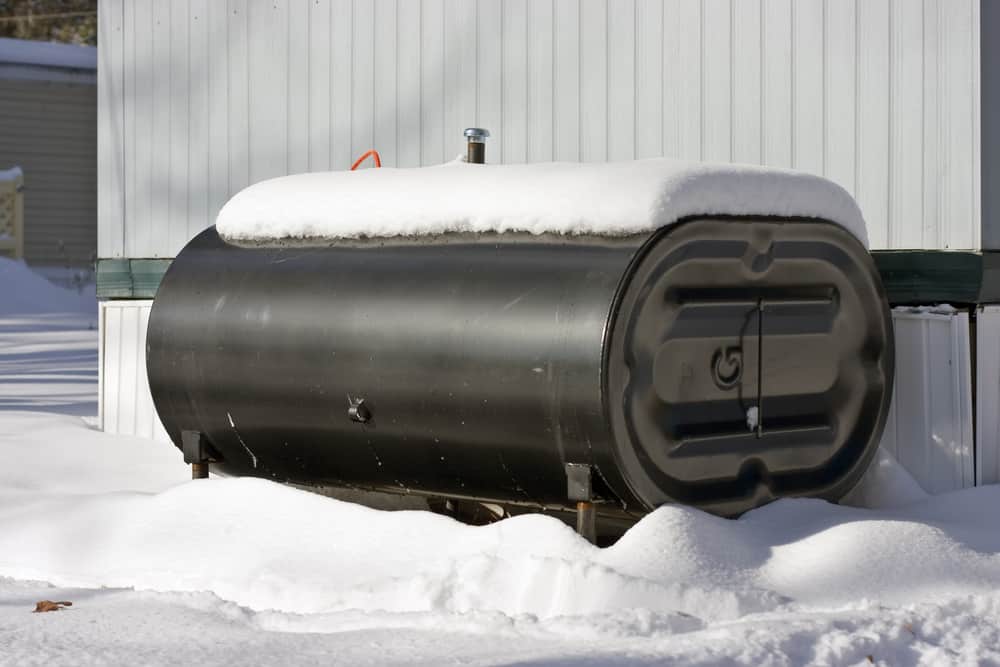
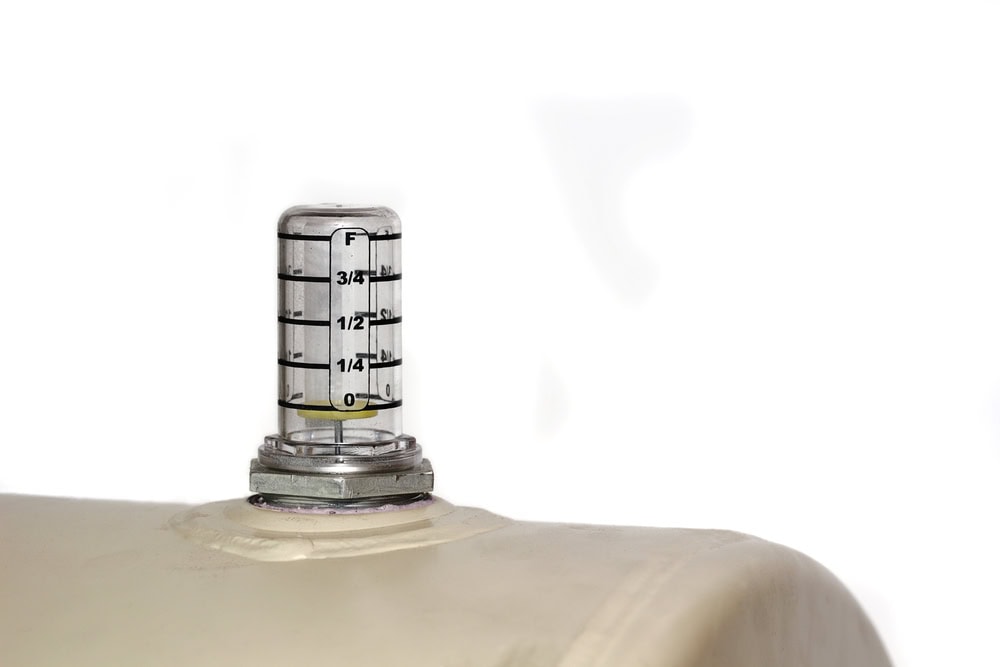
After that, check your thermostat settings, make sure the circuit breaker hasn’t tripped, and — if you heat with oil — check your tank gauge. Running out of fuel is more common than most people expect, and it’s a situation that needs both a delivery and a system restart before your heat comes back on.
Not every heating issue requires an emergency service call, but some absolutely do. The line between “inconvenient” and “urgent” usually comes down to safety, timing, and who’s in the house.
If you smell something burning — especially a sharp, acrid odor rather than the dusty smell of a system starting up for the first time in fall — shut the furnace off and call for help. The same goes for any smell of gas or fuel oil near the unit. A cracked heat exchanger can allow carbon monoxide to circulate through your home without any visible sign, which is why a CO detector is non-negotiable if you have a combustion heating system. If your detector goes off, get everyone out and call 911 first.
Beyond safety concerns, timing matters. A furnace that quits on a 50°F afternoon in October is a problem you can address the next morning. A furnace that quits at midnight in February, with an infant or elderly parent in the house, is a different situation entirely. Suffolk County winters are not forgiving — temperatures during a nor’easter can drop fast, and a home loses heat quicker than most people realize once the system goes down.
Strange noises — loud banging when the system kicks on, persistent rattling, or a high-pitched squeal from the blower — are also worth taking seriously. These sounds usually mean something mechanical is failing, and running the system through a failure often turns a $400 repair into a $1,200 one. If the furnace is making sounds it didn’t make last winter, get it looked at before it decides to stop altogether on the coldest night of the year.
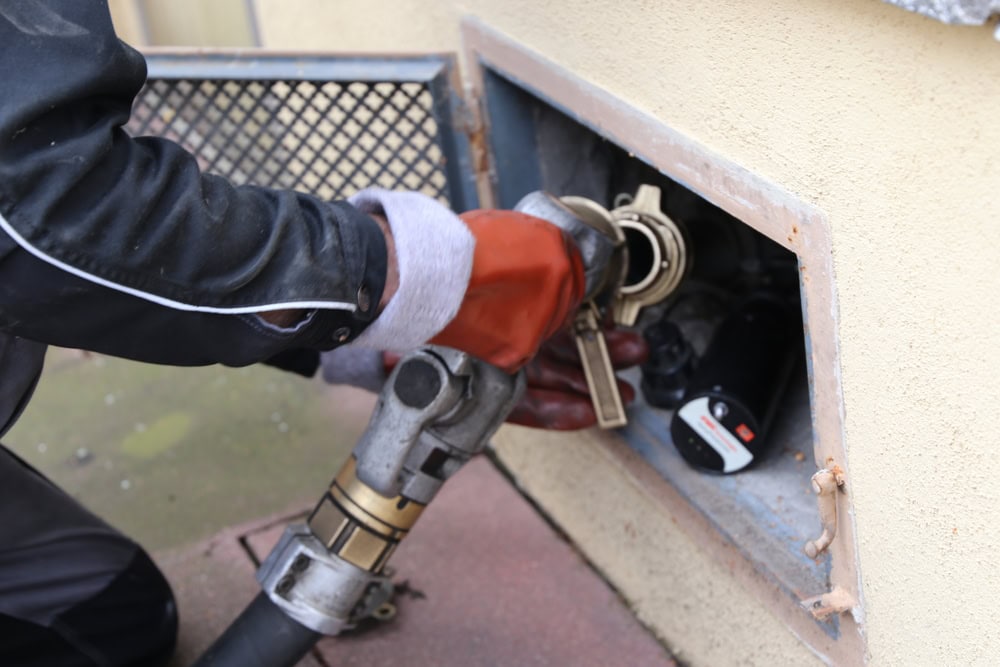
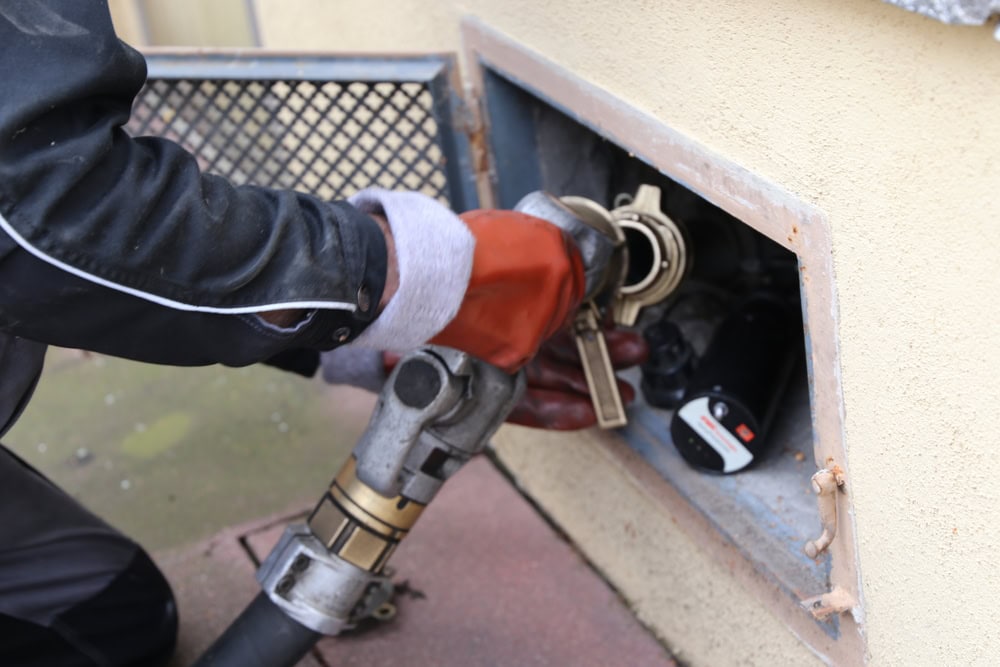
This is one of the most common heating emergencies across Suffolk County, and it trips people up every year. Your oil tank runs dry, you order a delivery, the truck comes — and the furnace still won’t start. That’s not a malfunction. It’s just how oil heating systems work.
When a furnace runs completely out of fuel, air gets pulled into the fuel line. Once oil is delivered, that air pocket needs to be cleared before the system can draw fuel properly again. On some systems, pressing the reset button once — and only once — after the delivery is enough to get things running. On others, the fuel line needs to be bled by a technician before the burner will fire.
The reset button is usually a red button located on the burner unit itself. If you press it and the furnace fires up, great — let it run for a few minutes to confirm it’s staying on. If it shuts down again, do not keep pressing the reset button. Repeatedly resetting a locked-out furnace can flood the combustion chamber with unburned oil, which creates a much bigger problem than an empty tank. One attempt, then call for service.
This is exactly the kind of situation where having a supplier who can both deliver your oil and send a technician makes a real difference. Coordinating two separate companies — one for fuel, one for the restart — adds time you don’t have when it’s 28°F outside. We’ve been handling this exact scenario for Suffolk County homeowners for over 50 years, and it’s one of the more straightforward calls we get, as long as someone catches it before the reset button gets pressed five times.
Want live answers?
Connect with a Suffolk Oil expert for fast, friendly support.
Most furnace emergencies are predictable. That’s not a criticism — it’s just the reality of how heating systems age. Components wear down, burners get dirty, heat exchangers develop small cracks, and ignition systems start to hesitate. None of these things happen overnight, and a technician who looks at your system once a year will catch them before they become a 2 AM phone call in January.
Annual maintenance is the single most cost-effective thing you can do for your heating system. A tune-up runs $149.95 through our current special — compared to the $250–$1,800 range for emergency repairs, it’s not a hard calculation. And that’s before you factor in the emergency service premium, which typically runs two to three times the standard labor rate for nights, weekends, and holidays.
A proper annual tune-up isn’t just a visual inspection and a handshake. Our technicians clean the burner assembly, check the heat exchanger for cracks, test the ignition system, inspect the flue and venting for blockages, measure combustion efficiency, and verify that all safety controls are functioning correctly. We also check the blower motor and belt, clean the flame sensor, and replace the filter if it hasn’t been done recently.
For oil heating systems specifically — which account for the majority of homes in communities like Medford, Coram, Farmingville, and Bay Shore throughout Suffolk County — the tune-up includes nozzle replacement and a check of the oil pump and fuel line. Suffolk County requires heating oil to meet a B5 biodiesel blend standard, and our technicians are familiar with how that affects burner settings and combustion performance on the systems we service here.
The best time to schedule a tune-up is late summer or early fall, before the heating season starts. September appointments move fast, wait times are shorter, and you’re not competing with everyone else who waited until November to call. If your system hasn’t been serviced in the last year — or if you can’t remember when it was last serviced — that’s your answer on whether to schedule one.
This is the question homeowners dread most during an emergency service call — and it’s worth thinking through before you’re in that position. The general guidance in the HVAC industry is that furnaces over 15 years old should be evaluated for replacement, not just repaired, especially if the repair quote is significant.
A useful rule of thumb: if the repair costs more than $1,500 and the furnace is 12 or more years old, ask for a replacement quote alongside the repair estimate. A new high-efficiency furnace runs $3,500–$7,500 installed, but it reduces heating costs by 30–40% compared to an aging system running at 60–70% efficiency. Over a few heating seasons in Suffolk County, where oil prices and heating demands are both substantial, that gap adds up.
That said, not every older furnace needs to be replaced. A 14-year-old system with a failed ignitor and a clean heat exchanger is worth repairing — an ignitor replacement runs $150–$450 and buys several more years of reliable service. The key is getting an honest assessment from someone who isn’t financially motivated to push you toward the more expensive option.
For homeowners in communities like Huntington, Smithtown, or East Northport — where homes from the 1970s and 1980s are common and original heating systems are still in service — this is a conversation worth having proactively. A technician who can tell you your system has two or three good years left, with proper maintenance, is giving you information you can actually use.
A furnace that won’t start is stressful, but it’s rarely as catastrophic as it feels at midnight in February. Start with the basics — filter, thermostat, breaker, oil gauge — and you may solve it yourself in ten minutes. If you don’t, knowing what the problem likely is, and who to call, puts you well ahead of most people in that situation.
The bigger takeaway is that most heating emergencies are preventable. An annual tune-up, a fresh filter going into winter, and keeping an eye on your oil level are the three things that keep the majority of furnaces running without drama all season long across Suffolk County.
If you’re dealing with a no-heat situation right now, or you want to get your system serviced before the cold sets in, we’ve been handling both for homeowners across Suffolk County for over 50 years. We’re available around the clock, and we’re not going anywhere. Reach out today.
Article details:
Share:
Continue learning: