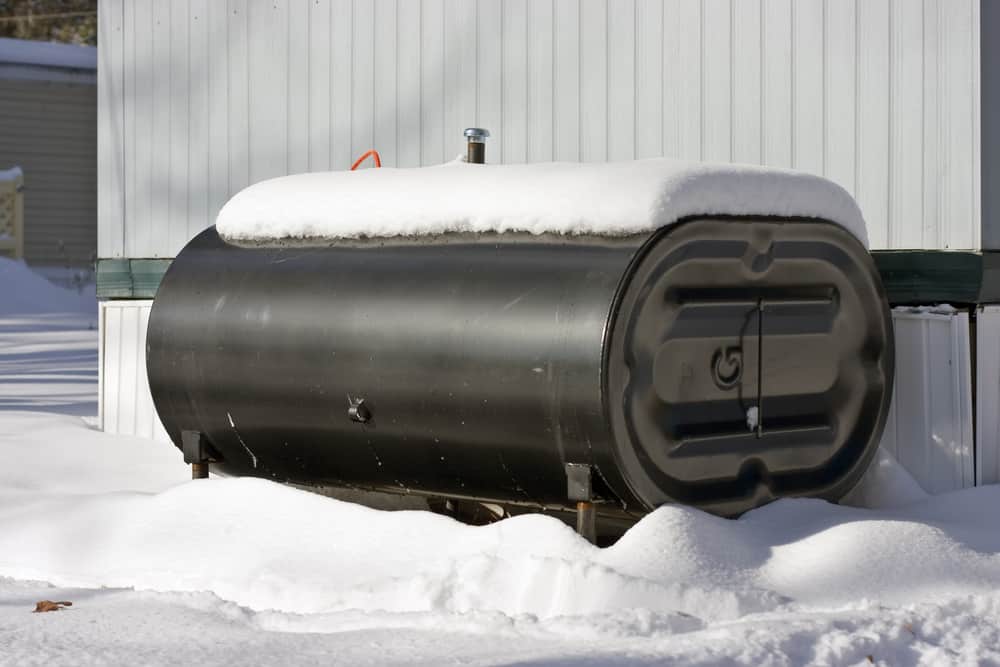
Replacing a water heater on Long Island costs more than the national average. Here's what Suffolk County homeowners actually pay — and what drives the price.
Share:
Summary:
You probably didn’t plan for this. The water heater started making noise, or you woke up to a cold shower, or it’s been sitting in your basement for 12 years and you know the clock is ticking. Either way, you’re now trying to figure out what this is going to cost — and whether the numbers you’re seeing online actually apply to where you live.
They usually don’t. National averages are a starting point, but Suffolk County has its own labor rates, its own permit requirements, and a housing stock that runs almost entirely on heating oil. That changes the conversation. Here’s what you actually need to know.
Nationally, the average water heater replacement runs around $1,339. Here in Suffolk County, expect to pay more — typically $2,100 to $3,100 for a standard 50-gallon unit once you factor in labor, permits, and haul-away. That gap exists because plumbing and HVAC labor rates in our area run $75 to $150 per hour, above the national average, and most towns across Suffolk County require a permit for water heater replacement, which adds both cost and a required inspection to the process.
The type of unit matters a lot here. A traditional tank-style water heater — which is what most homes in Suffolk County have — costs between $600 and $2,500 for the unit itself, with installation labor on top. Tankless water heaters run $1,400 to $3,900 installed and can last up to 20 years, but the upfront cost and potential infrastructure upgrades make them a bigger commitment. Heat pump water heaters are increasingly popular and may qualify for federal tax credits under the Inflation Reduction Act, making them worth a serious look if you’re replacing a unit that’s already past its prime.
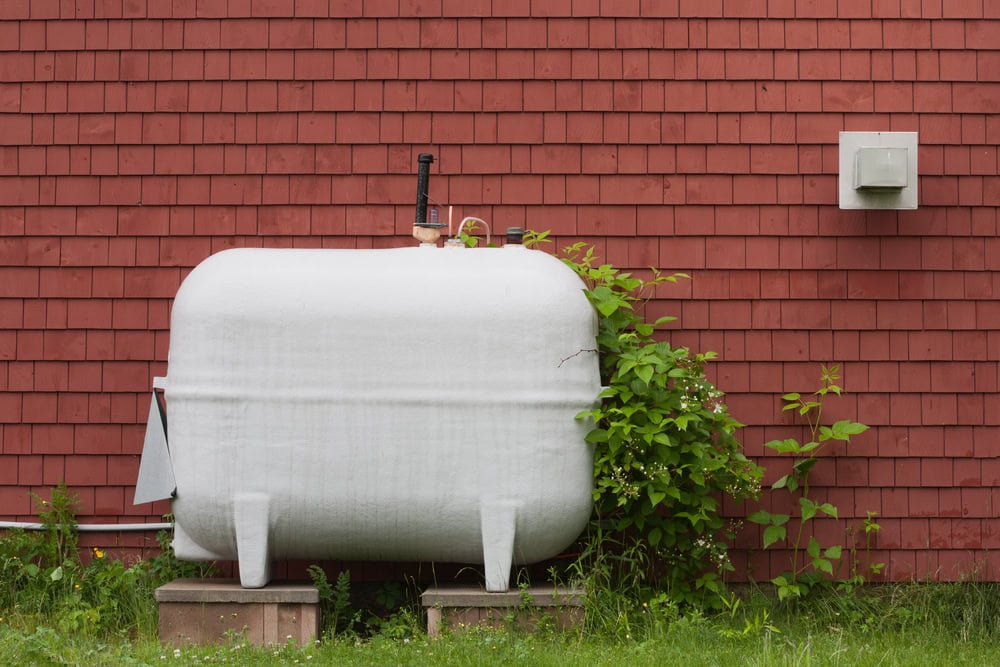
The number that matters most isn’t the unit price — it’s the all-in cost, and that’s where Suffolk County diverges sharply from what you’ll read on national cost guides. A 50-gallon electric water heater typically runs $2,100 to $2,800 installed here on Long Island. A comparable gas unit lands between $2,100 and $3,100. Those figures come from local contractor data, not national averages, and they reflect what licensed plumbers in this area are actually charging in 2026.
A few things push costs higher or lower. The size of the unit matters — most households do fine with a 40- or 50-gallon tank, but larger families or homes with high simultaneous demand may need a 75-gallon model, which costs more. Whether your existing setup requires any upgrades — a new expansion tank, updated pressure relief valve, or changes to the water supply lines — will also affect the final bill. And if you’re switching fuel types, say from electric to a heat pump system, there may be electrical panel work involved.
One detail that doesn’t get mentioned enough in generic guides: Suffolk County’s water supply comes from the Magothy and Upper Glacial aquifers. That water is naturally soft and slightly acidic, which is gentle on mineral scale but harder on the anode rod inside your tank. Anode rods in Long Island water heaters tend to corrode faster than in harder-water markets, which can shorten the lifespan of a tank that isn’t being maintained. If your current unit is 8 to 10 years old and hasn’t had a service check in a while, the anode rod may already be gone — and the tank may be closer to failure than you think.
Permits are non-negotiable here. Under Suffolk County Code, water heater replacement must be performed by a licensed plumber — specifically one holding a license issued by the Suffolk County Office of Consumer Affairs under Chapters 563 and 924. Every town has its own building department: Huntington, Babylon, Brookhaven, Islip, and Smithtown each run their own permit and inspection process. Unpermitted work can void your manufacturer’s warranty and create real headaches when it comes time to sell the house. A contractor who tells you permits aren’t necessary for a simple swap is not someone you want working in your home.
This is the question most people are actually trying to answer when they start searching. The industry rule of thumb is straightforward: if the repair cost exceeds 50% of what a replacement would cost, replace it. Here in Suffolk County, where replacement runs $2,100 to $3,100, that threshold sits around $1,000 to $1,500. If a plumber quotes you $800 to fix a 10-year-old tank, you’re essentially paying most of that threshold to extend the life of a unit that’s already in its final years.
Age is the biggest factor. Most tank water heaters last 8 to 12 years. If yours is pushing 10 or older, a repair might buy you another season — or it might fail again in six months. The math rarely works in favor of repeated repairs on an aging unit.
There are signs worth watching for before you hit the emergency stage. Rust-colored water coming from the hot tap, visible corrosion around the base or connections, a rumbling or popping sound when the unit heats up, or water pooling near the tank are all signals that replacement is coming whether you plan for it or not. A proactive replacement, scheduled on your timeline, will almost always cost less than an emergency call in January. Emergency replacements carry premium pricing, and if a failed tank causes water damage to your basement or utility room, you’re dealing with a much bigger problem than a plumbing bill.
For Suffolk County homes with oil-fired heating systems — which describes a significant portion of the housing stock here, particularly in older neighborhoods across Huntington, Smithtown, Islip, and Babylon — the water heater conversation often involves the boiler too. Many of these homes use an indirect water heater, where the oil boiler heats a storage tank through a heat exchanger rather than a separate standalone unit. When that system fails, it’s not always obvious whether the problem is the boiler, the storage tank, or the connection between them. Getting someone who understands oil-fired systems, not just plumbing in general, makes a real difference in diagnosing it correctly the first time.
Want live answers?
Connect with a Suffolk Oil expert for fast, friendly support.
If you’re already looking at a water heater replacement, it’s worth knowing where furnace costs land — because for a lot of Suffolk County homeowners, the two systems are connected, and a failing water heater sometimes signals a heating system that’s due for a broader evaluation.
Furnace replacement on Long Island costs $3,000 to $4,500 when only the unit is being swapped and the ductwork is in good condition. A full system replacement — new furnace, central air, and updated ventilation — runs $8,000 to $12,000. Labor rates here ($75 to $150 per hour) and the complexity of oil system work push Long Island costs above national norms, where the typical furnace replacement runs $3,000 to $8,500 with an average near $4,800.
AFUE stands for Annual Fuel Utilization Efficiency, and it’s the standard measure of how efficiently a furnace converts fuel into heat. An older furnace running at 60 to 70% AFUE is losing 30 to 40 cents of every dollar you spend on heating fuel. A modern high-efficiency unit rated at 90 to 95% AFUE loses only 5 to 10 cents on the dollar. Over a Suffolk County heating season — which runs roughly October through April — that difference adds up quickly.
The unit cost reflects that efficiency gap. A standard 80% AFUE furnace runs $1,500 to $3,000 for the unit alone. High-efficiency models in the 90 to 95% AFUE range cost $2,500 to $5,000. Premium variable-speed models can reach $3,000 to $8,000. On Long Island, where heating seasons are long and fuel costs are real, the efficiency premium on a higher-AFUE unit often pays back faster than it would in a milder climate.
For homes with oil-fired systems, there’s an additional consideration: removing an old oil furnace in New York State involves tank cleaning and disposal that can run $500 to $2,000 depending on the tank size and condition, due to state environmental regulations. That cost doesn’t always show up in initial quotes, so it’s worth asking about specifically before you agree to anything.
PSEG Long Island, the electric utility serving most of Suffolk County, offers rebate programs for energy-efficient heating equipment upgrades. NYSERDA also has incentive programs relevant to Long Island homeowners making efficiency improvements. If you’re replacing an aging oil furnace and considering a heat pump or high-efficiency hybrid system, those programs can meaningfully offset the upfront cost. The federal Inflation Reduction Act tax credits — available through 2025 — add another layer of potential savings for ENERGY STAR-certified equipment. It’s worth running the numbers before defaulting to a like-for-like replacement.
The 50% rule applies here too. If your furnace repair quote is approaching half the cost of a new unit, you’re likely better off putting that money toward a replacement that will run efficiently for the next 15 to 20 years rather than extending the life of a system that’s already costing you in fuel waste every month.
Radiant floor heating has become a more common conversation among Suffolk County homeowners doing larger renovations, particularly in kitchens, bathrooms, and additions. The appeal is straightforward: heat rises from the floor up, which is more efficient than forced air systems that heat the ceiling first, and it eliminates the drafts and uneven temperatures that come with older duct systems.
In New York State, radiant floor heating installation runs $17 to $31 per square foot for materials and labor combined. Electric systems — which are simpler to install and better suited to single rooms — cost roughly $10 to $12 per square foot for the system itself. Hydronic systems, which circulate hot water through PEX tubing embedded in or beneath the floor, are more expensive upfront but more efficient for whole-home applications, particularly in homes that already have a boiler.
That last point matters for a lot of Suffolk County homes. If you have an oil-fired boiler, a hydronic radiant system can integrate directly with your existing heating infrastructure, using the boiler as the heat source. That avoids the cost of adding an entirely new heating system and can make radiant floor heating a more financially viable upgrade than it would be starting from scratch. The boiler does need to be in good condition and appropriately sized, so a proper assessment before committing to the project is essential.
Radiant floor heating repairs in Suffolk County run between $172 and $1,496 depending on the scope of the issue, based on 2025 local contractor data. Most common problems involve the thermostat, a failed pump, or damage to tubing — all of which are repairable without tearing up the floor in most cases.
One thing worth knowing: radiant floor heating is not limited to new construction. It can be retrofitted into existing homes, though the complexity and cost vary depending on the floor type, subfloor condition, and ceiling height in the space below. We’ve been doing retrofit radiant installations in older Long Island homes for decades. It’s a bigger project than a water heater swap, but for the right home and the right room, the comfort difference is significant.
The honest answer to “how much will this cost?” is that it depends on your home, your current system, and what you’re trying to accomplish — but the ranges in this guide reflect what Long Island homeowners are actually paying in 2026, not national figures that don’t account for local labor rates, permit requirements, or the realities of an oil-heated housing stock.
What doesn’t change is the value of getting this right the first time. A properly installed, correctly sized water heater or furnace will run efficiently for a decade or more. A rushed decision made during an emergency, or work done without permits, can cost you more in the long run — in energy waste, warranty issues, or complications down the road.
If you’re weighing your options and want to talk through what makes sense for your home, we’ve been serving Suffolk County families for over 50 years. Reach out and we can help you figure out the next step.
Article details:
Share:
Continue learning: