Not sure if you're getting every gallon you paid for? Here's what to check before, during, and after your next heating oil delivery in Suffolk County.
Share:
Summary:
Most people don’t think twice about their heating oil delivery. The truck shows up, the driver connects the hose, and twenty minutes later you’ve got a receipt and a fuller tank. But if you’ve ever looked at your gauge afterward and thought, “that doesn’t seem right,” you’re not alone — and you’re not wrong to wonder. Heating oil fraud is real, it’s documented, and it’s happened right here in the New York metro area. This page covers what oil delivery accuracy actually means, how to verify yours, and what separates a trustworthy delivery company from one you should think twice about.
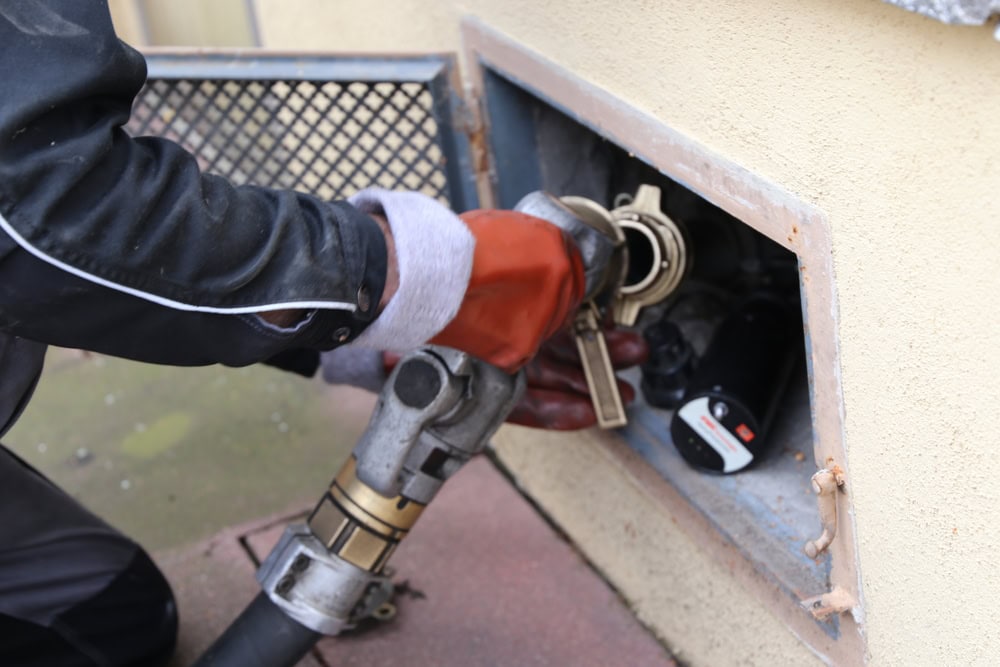
Verifying a heating oil delivery doesn’t require special equipment or technical knowledge. It mostly requires knowing what to look for before the truck leaves your driveway. The process starts with your delivery ticket — a printed, serially numbered document that we’re required by New York State law to provide after every delivery. That ticket should show the beginning and ending meter readings, total gallons delivered, price per gallon, total price, and our company name and address. If any of that is missing, that’s worth noting.
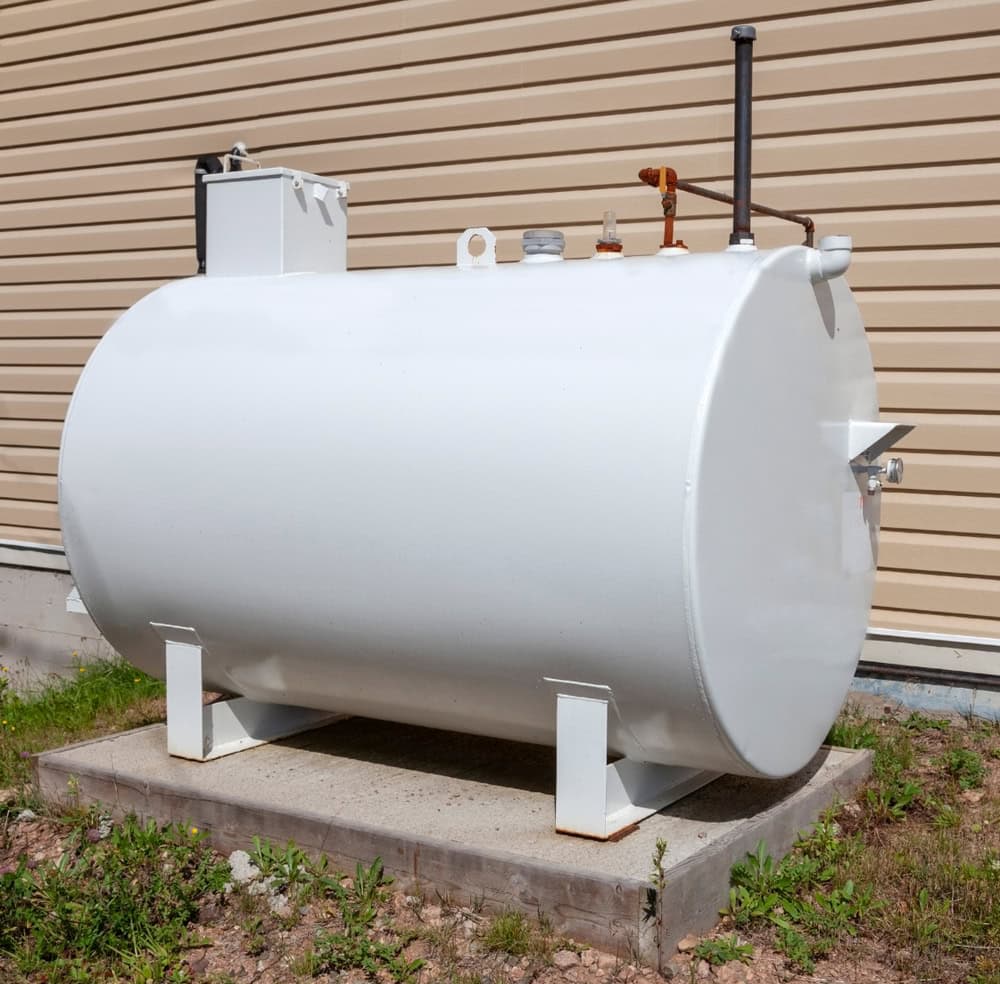
Beyond the paperwork, you can do a quick physical check. Your tank’s float gauge gives you a rough sense of where you started and where you ended up, though these gauges — especially on the older 275-gallon above-ground tanks common in Suffolk County homes built in the ’60s and ’70s — aren’t always reliable. They can stick, they can drift, and they don’t always age well. That’s why a dipstick check is more useful than most homeowners realize.
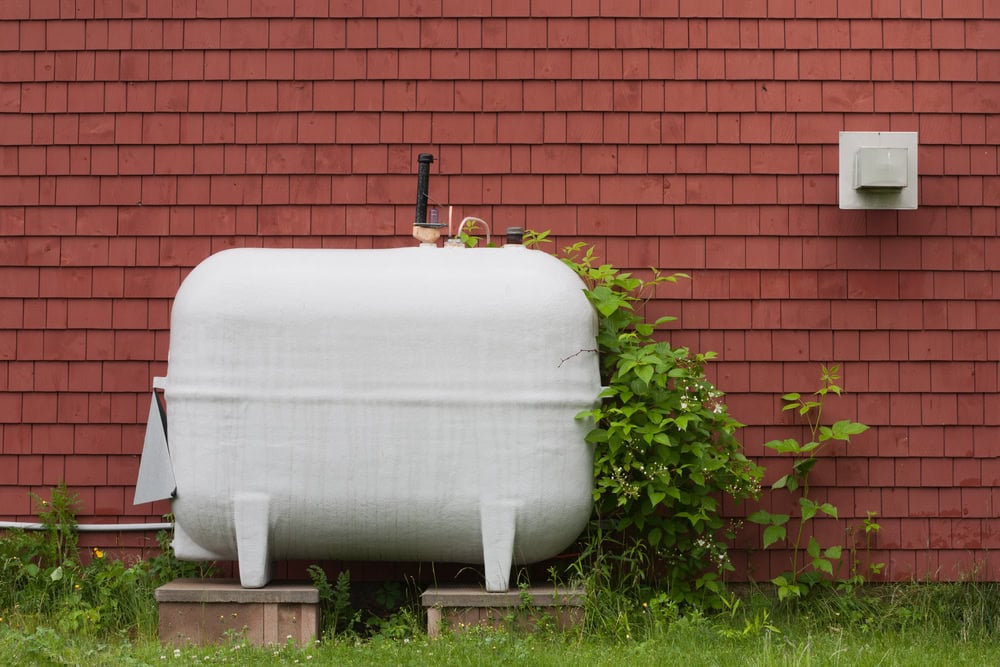
A dipstick check is simple. Before your delivery, rotate the fill cap counterclockwise to open it, lower your dipstick straight down until it rests against the bottom of the tank, pull it out, and note the oil depth in inches. After the delivery, repeat the same process. Then use an online oil level chart — they’re easy to find and free — to convert the before and after measurements into gallons. The difference should match what’s on your delivery ticket.
This is especially relevant for Suffolk County homeowners because so many of us are heating with tanks that have been in place for decades. A float gauge that was accurate in 1985 may not be giving you reliable readings today. The dipstick bypasses that uncertainty entirely and gives you a direct measurement you can trust.
It’s also worth noting the timing of a delivery. A standard residential delivery of 150 to 200 gallons typically takes around 10 to 15 minutes. If the driver wraps up in five minutes and your ticket says 175 gallons, that’s a discrepancy worth questioning. One of the most documented forms of heating oil fraud — known as “blowing” — involves pumping air through the hose while the meter keeps ticking. The delivery looks complete on paper, but your tank didn’t receive what you paid for. The air dissipates, and you’re left with less oil than the ticket claims. At the peak prices Suffolk County saw in December 2022, when oil hit $5.00 a gallon, a 10 percent short on a 150-gallon delivery means you paid for $75 worth of oil you never received.
Before the driver starts, you’re also within your rights to ask to see the meter reading. A legitimate driver will have no issue showing you that the meter is zeroed before the delivery begins. It’s a small check that takes ten seconds and tells you a lot about the company you’re working with.
Some warning signs are obvious in the moment; others only show up when you look back at a pattern over time. In the moment, watch for a driver who seems rushed, won’t show you the meter before starting, or doesn’t provide a printed delivery ticket. A handwritten receipt instead of a metered, serially numbered ticket is a significant red flag. So is a delivery that ends far faster than the gallon count would suggest.
Over time, the clearest indicator of a problem is consumption that doesn’t match your usage patterns. If you’ve been heating the same house in Smithtown or Babylon for ten years and your oil is running out faster than it used to — with no change in your system, your thermostat settings, or the weather — that’s worth investigating. Keeping a simple delivery log helps. Write down the date, gallons delivered, price per gallon, and your tank level before and after each delivery. After a few heating seasons, you’ll have a baseline that makes anomalies easy to spot.
It’s also worth knowing that the New York metro area has a documented history with heating oil fraud. In 2015, 44 people and nine companies were indicted in a heating oil theft ring that affected buildings across the region, including city agencies and private consumers. The estimated annual loss was $18 million. The method was exactly what’s described above — rigged trucks, tampered meters, air pumped in place of oil. This wasn’t some distant problem. It happened in the same regional market where Suffolk County homeowners are buying oil today. That context isn’t meant to alarm you; it’s meant to explain why knowing what to look for actually matters.
Want live answers?
Connect with a Suffolk Oil expert for fast, friendly support.
New York State takes delivery accuracy seriously at a regulatory level. Under state Agriculture and Markets law, every heating oil delivery truck operating in New York must have its meter inspected and certified annually. Inspectors use a certified 300-gallon prover — essentially a precise measuring container — to test whether the truck’s meter is reading correctly. If it fails, the truck is pulled from service until it’s recalibrated and passes a retest. Trucks that pass receive a certification sticker, which should be visible on the vehicle.
That annual inspection requirement applies to every company delivering oil in Suffolk County, including us. When you see a current inspection sticker on a delivery truck, it means that meter has been tested against a known standard within the past year. It’s not a guarantee of perfection, but it is a meaningful layer of accountability that separates the regulated industry from the unregulated margins where fraud tends to happen.

There’s a layer of accuracy that goes beyond gallons — it’s about what’s actually in those gallons. Suffolk County requires that all residential heating oil deliveries meet the B5 bioheat standard, a blend of 95% ultra-low-sulfur heating oil and 5% biodiesel. This isn’t optional or aspirational; it’s a local regulatory requirement. A company delivering standard #2 oil without the biodiesel component isn’t just cutting corners on quality — they’re delivering a non-compliant product.
Why does this matter in a conversation about accuracy? Because fuel quality is part of what you’re paying for. When you order heating oil in Suffolk County, you’re paying for a specific product that meets a specific standard. A delivery of the wrong blend — even if the gallon count is correct — is an accuracy problem in a broader sense. You’re not getting what you ordered.
We deliver B5 bioheat because it’s what Suffolk County law requires and because it burns cleaner and more efficiently than conventional heating oil. Your furnace or boiler doesn’t need to be modified to use it — it’s compatible with all existing heating systems. But it does mean that when you’re evaluating a heating oil company for this area, it’s worth confirming they’re delivering the right product, not just the right quantity.
This is one of the reasons local knowledge matters. We’ve been delivering oil across Suffolk County for over 50 years — from Huntington to Southampton, from Commack to the East End — and we know the county’s specific requirements inside and out. That’s not the same as a company that shows up with a truck and a price.
One-time verification is useful. Ongoing monitoring is better. The homeowners who catch delivery problems earliest are almost always the ones who’ve been keeping records — even informal ones. You don’t need a spreadsheet. A note on your phone with the date, gallons delivered, and a quick dipstick reading before and after is enough to build a picture over time.
What you’re looking for is consistency. If your household uses roughly the same amount of oil each winter and your deliveries have been consistent for years, a sudden shift in how quickly you’re burning through oil deserves a closer look. Sometimes it’s the heating system — an inefficient burner, a dirty nozzle, or a system that needs a tune-up will consume more fuel to produce the same heat. Sometimes it’s the delivery. Knowing which it is starts with having records.
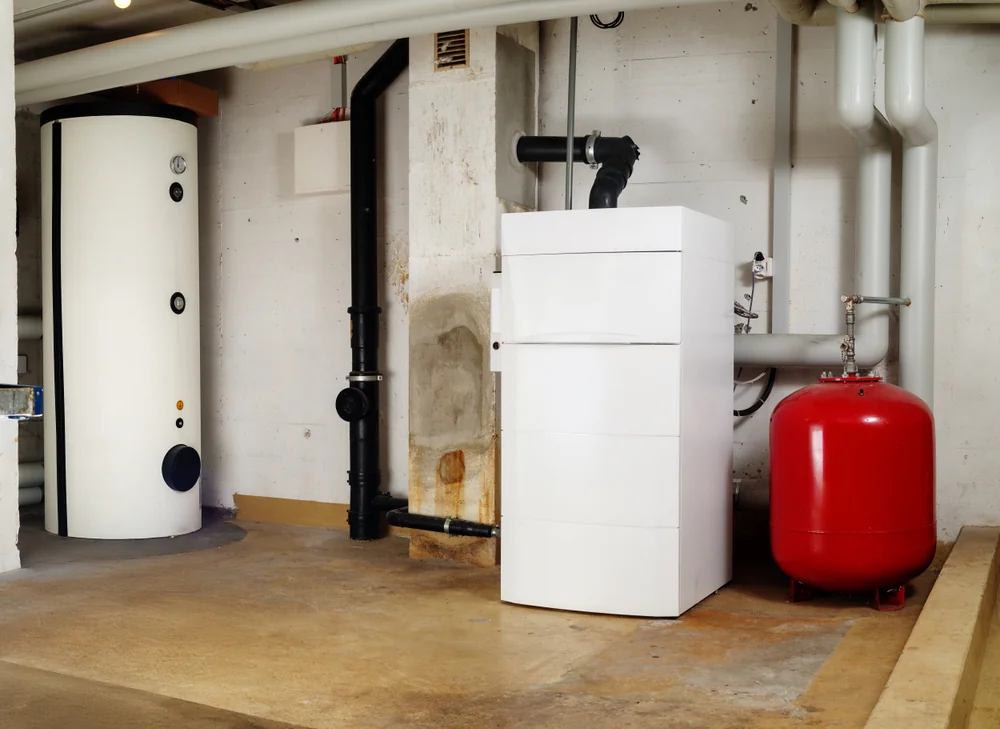
On the system side, annual maintenance goes a long way. A properly tuned furnace or boiler runs more efficiently, which means each gallon of oil goes further — and your consumption patterns stay predictable enough to serve as a meaningful baseline. If you haven’t had your system serviced recently, it’s worth scheduling before the heating season starts. We offer a tune-up special at $149.95, which covers the annual maintenance your system needs to run cleanly and efficiently through a Suffolk County winter.
Digital tools can also help. Our mobile app lets you track your order history over time, which gives you a running record of delivery dates and quantities without any extra effort. Paired with your own dipstick readings, that order history becomes a useful monitoring tool — not because you should expect problems, but because having the data means you’d know quickly if something was off.
Accuracy in heating oil delivery comes down to two things: a company that operates honestly, and a homeowner who knows enough to verify. Neither one is complicated. Ask to see the meter before delivery starts. Keep your delivery tickets. Do a dipstick check once in a while. Watch for deliveries that seem too fast for the gallon count on the receipt.
On the company side, look for licensing, annual meter certification, transparent pricing, and a track record in the community. A company that’s been delivering oil across Suffolk County for more than 50 years — and that’s still here, still answering the phone, still showing up during nor’easters — has earned its reputation delivery by delivery. That’s not something you can fake over five decades.
If you have questions about your delivery, want to understand what’s on your ticket, or just want to know what to expect when you order, Consolidated Energy – Suffolk Oil is here to help. Reach out directly and we’ll give you a straight answer.
Article details:
Share:
Continue learning: