Your boiler stopped working. It's freezing outside. Here's exactly what to do — and how to get heat back fast in Suffolk County.
Share:

Summary:
It’s early morning. The house is cold. You check the thermostat — it’s set correctly — but the heat isn’t coming on. If you’re a homeowner in Suffolk County, you already know how fast a broken boiler goes from inconvenience to genuine problem, especially when a nor’easter is sitting offshore and temperatures are dropping into the twenties.
This page is here to help you think clearly when you’re stressed. We’ll walk you through what to check first, when it’s safe to troubleshoot on your own, and when you need to pick up the phone. If you’ve run out of heating oil, we can help with that too — right now, no account required.
Before you call anyone, there are a few things worth checking. Start with your thermostat — make sure it’s set to heat, the temperature is above room level, and the batteries aren’t dead. It sounds obvious, but a surprising number of “boiler emergencies” trace back to a thermostat that got bumped or a dead battery.
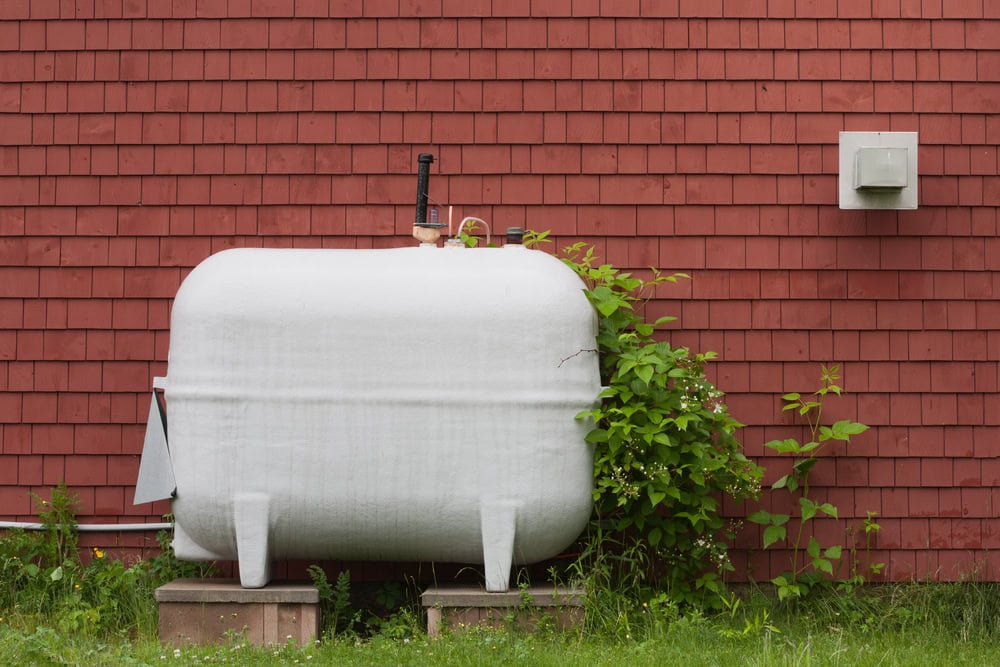
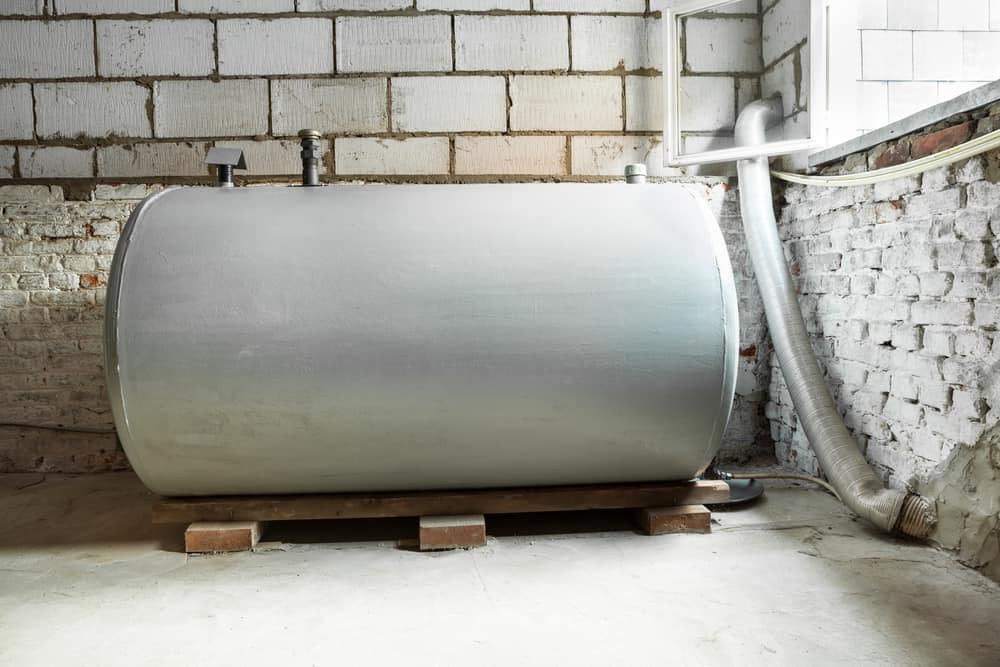
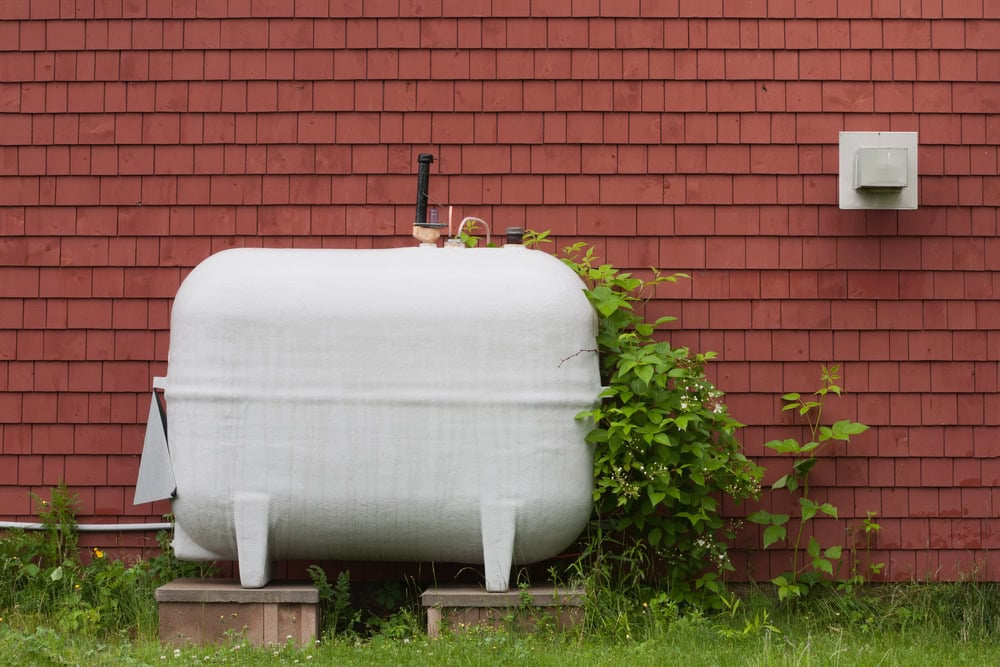
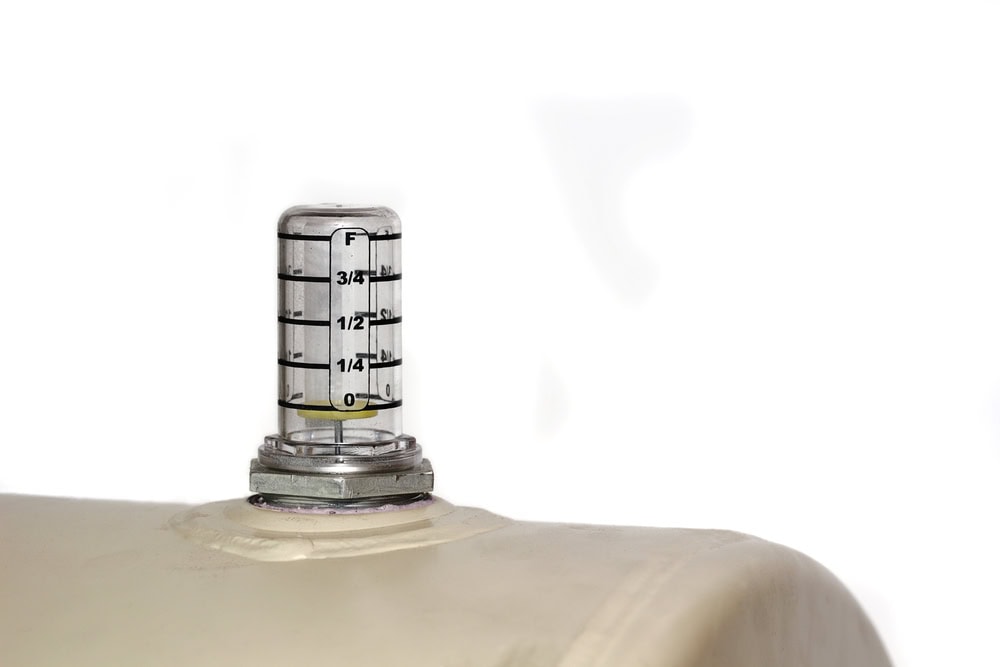
Next, check your oil tank gauge. If it reads near empty — or empty — that’s likely your answer. Keep in mind that float-style gauges, which are standard in most Suffolk County homes, can stick, especially in cold weather. A gauge reading a quarter tank might actually be closer to empty than you think. If there’s any doubt, treat it as empty and order oil immediately.
Most oil-fired boilers have a red reset button on the burner unit. If your system ran out of oil or experienced a brief ignition failure, pressing this button once can restart the burner. The key word there is once. Press it, wait about thirty seconds, and listen for the system to fire up.
What you should not do is press it multiple times. Each press sends a fresh shot of oil into the combustion chamber. If the system isn’t igniting, that oil accumulates — and that’s a fire hazard. One press, one attempt. If it doesn’t start, step away from the reset button and call a professional.
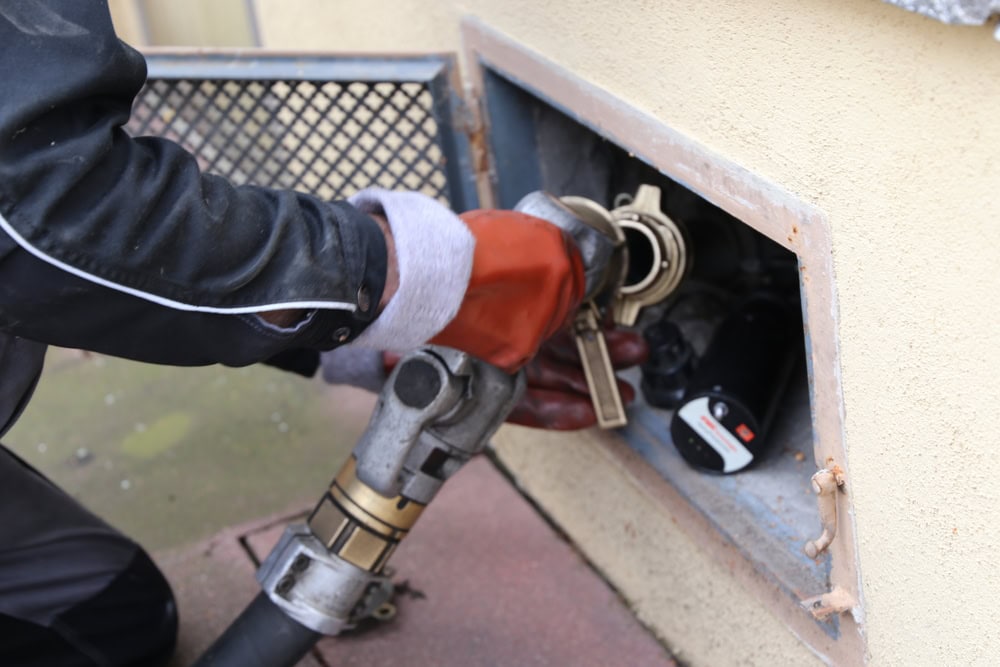
There’s another important detail that most people don’t know: if your boiler ran dry and you’ve just had oil delivered, the system usually won’t restart on its own. Air gets into the fuel line when the tank empties, and that air has to be bled out before the burner can draw fuel again. This is called bleeding the line, and it requires either a technician or someone who knows the system. When we deliver emergency oil to a home that’s run out, we don’t just fill the tank and drive away — we help get the system back online. That’s a step a lot of oil companies skip.
If you’ve done all of this and the boiler still won’t run, the issue is likely mechanical — a faulty igniter, a clogged nozzle, a failed pump, or something else that needs a licensed technician to diagnose. At that point, your job is to stay warm while you wait. If you have a fireplace, use it. If you have space heaters, run them safely. If you have young children, elderly family members, or anyone medically vulnerable in the house, and the temperature is dropping fast, don’t wait around — get them somewhere warm.
Most boiler problems are frustrating, not dangerous. But there are situations where you need to stop troubleshooting and get everyone out of the house.
If your carbon monoxide detector goes off, leave immediately. Don’t stop to grab belongings, don’t try to figure out what triggered it — just get out and call 911 from outside. Carbon monoxide is odorless and colorless, and a cracked heat exchanger or blocked flue on an oil-fired boiler can produce it without any visible sign. New York State law requires CO detectors in all homes for exactly this reason. If yours doesn’t have one, that’s something to fix before the next heating season.
A burning smell coming from your vents is another signal to take seriously. A faint smoky odor when a boiler fires up for the first time in the fall is usually just dust burning off — it fades within minutes. A persistent burning smell, especially one that smells like melting plastic or rubber, is different. Shut the system off and call a technician.
Unusual sounds also matter. A deep, rhythmic banging — sometimes called kettling — usually means scale buildup inside the boiler and is more of a maintenance issue than an emergency. But a loud bang at startup, the kind that makes you jump, is a warning sign of delayed ignition. That means oil is pooling in the combustion chamber before it ignites. Don’t keep running a system that does this. Shut it off and get a technician out. Many homes across Suffolk County built in the 1960s and 70s still have boilers that are well past their expected service life — if yours is more than twenty years old and showing any of these symptoms, it’s worth having a professional take a serious look.
Want live answers?
Connect with a Suffolk Oil expert for fast, friendly support.
When the heat goes out at 11 PM on a Friday in January, you need to know that someone will actually answer the phone — not a voicemail that gets returned Monday morning. A lot of companies advertise 24/7 service. Fewer actually deliver on it.
We’ve been providing emergency heating oil delivery across Suffolk County for over fifty years. That includes nor’easters, polar vortex events, and every holiday weekend in between. When you call 631-924-4030, a real person picks up. When you need oil, you can also order directly at suffolkoil.com — no account, no login, no waiting on hold. Place your order, and we’ll get to you.
Heating emergencies don’t follow business hours, and they have a particular habit of showing up on the worst possible days. Christmas Eve. New Year’s morning. The Saturday before a snowstorm. These are the moments when you find out whether your heating oil company actually means it when they say they’re available around the clock.
The holidays are also when boiler failures spike. Systems are running harder because more people are home and thermostats get turned up. Routine maintenance that got pushed off through the fall suddenly becomes a problem. And because it’s a holiday, you assume no one will come — so you wait, and the house gets colder.
We’re open on holidays. We’re open on weekends. If you’re in Bay Shore, Medford, Copiague, or anywhere else in Suffolk County and you need heating oil on a Sunday night, you can place an order online right now without creating an account. Same-day and next-day delivery is available, and the price is the same whether you pay cash or credit — no emergency surcharge, no hidden fees tacked on because it’s after hours.
One thing worth knowing: if you’re not a current customer, that doesn’t matter. Our model is cash on delivery, which means there’s no contract requirement and no prior relationship needed. You can call us or order online today, even if you’ve never used us before. That’s not something every company on Long Island can say. Most competitors require a service agreement before they’ll dispatch for an emergency. We don’t.
For Spanish-speaking households in communities like Brentwood and Central Islip, bilingual service is available. We’ve been part of Suffolk County for a long time, and that means serving all of it.
The best boiler emergency is the one that never happens. Most mid-season breakdowns come down to deferred maintenance — a clogged nozzle, a dirty filter, a worn igniter that was already struggling but got pushed through one more season. An annual tune-up catches all of that before it becomes a 2 AM problem.
We offer boiler tune-ups for $149.95, regularly $249.95. To put that in perspective, a single after-hours emergency repair call in the New York metro area typically runs $250 to $600 in labor alone, before parts. A tune-up costs less than half of that and dramatically reduces the odds of needing one. The U.S. Department of Energy has found that annual boiler maintenance can improve efficiency by three to ten percent — which also means lower fuel bills over the course of a winter.
The other piece of this is knowing your oil level before you hit empty. Tank gauges on older homes throughout Suffolk County — and there are a lot of them, given how much of the county’s housing stock dates back to the post-war building boom — can be unreliable. The float inside gets stuck, and what looks like a quarter tank might actually be closer to the bottom. A good rule of thumb is to order when the gauge hits a quarter, not when it reads empty. If you’ve ever run out before, you already know how quickly that situation unravels.
If your boiler is more than fifteen or twenty years old and you’ve been dealing with repeated issues, it may also be worth a conversation about where your system is headed. Modern heating options, including heat pump systems, have come a long way in efficiency and cold-weather performance. We’re happy to talk through what makes sense for your home — but that’s a longer conversation, and the immediate priority right now is getting your heat back on.
If your boiler stopped working, check the thermostat, check the oil level, and press the reset button once. If none of that works — or if you smell something burning or your CO detector goes off — stop troubleshooting and call for help. The situation rarely improves by waiting.
For homeowners across Suffolk County, from Northport to Southampton, the most common cause of a sudden no-heat situation is simply running out of oil. It’s also the most fixable. You can order right now online without creating an account, or call 631-924-4030 any hour of the day or night.
Consolidated Energy – Suffolk Oil has been handling heating emergencies on Long Island for over fifty years. We know these roads, we know these homes, and we know what it means when the heat goes out in January. Reach out — we’ll get you taken care of.
Article details:
Share:
Continue learning: