Not sure which heating system makes the most sense for your Suffolk County home? Here's an honest, local breakdown before you make any decisions.
Share:
Summary:
If you’ve been hearing a lot lately about heat pumps, gas conversions, and electrification, you’re not alone. It’s a lot of noise — and most of it isn’t written with Suffolk County in mind. The reality for Long Island homeowners is more nuanced than the national headlines suggest. Your electricity comes from PSEG, one of the most expensive utilities in the country. Gas lines don’t reach every neighborhood. And nearly 44% of households in this county already heat with oil — not by accident, but because it works. Here’s what you actually need to know before making any decisions about your heating system.
Electric furnace installation looks affordable on paper. Nationally, installation runs between $1,500 and $3,500 — significantly less than most oil or gas systems. But that upfront number tells you very little about what you’ll actually spend over the next decade heating a home in Brentwood, Sayville, or Southampton.
The real cost of electric heating in Suffolk County is what comes after installation. PSEG Long Island consistently ranks among the most expensive electric utilities in the continental U.S. When you’re running electric resistance heat through a January nor’easter, those rates add up fast. The EIA estimates seasonal heating costs from November through March at roughly $1,410 for oil customers — but electric resistance users on Long Island typically spend considerably more, given local utility pricing that far exceeds the national average.
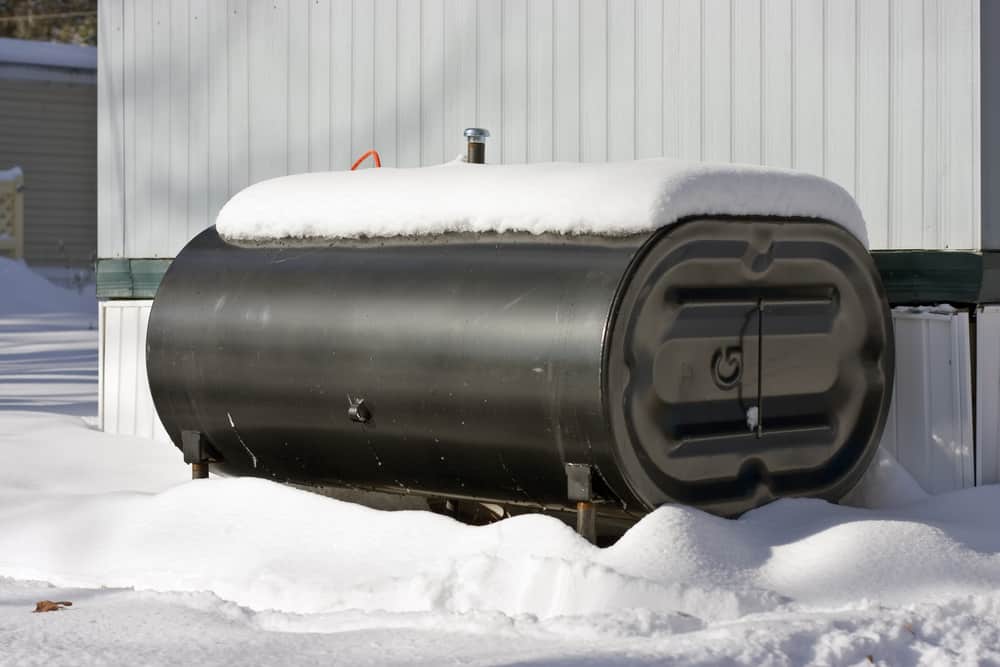
AFUE stands for Annual Fuel Utilization Efficiency — it’s the standard measure of how much of your fuel actually becomes heat versus what gets lost in the process. A furnace rated at 80% AFUE converts 80 cents of every dollar’s worth of fuel into usable heat. The remaining 20% goes out the flue.
The federal minimum for new oil furnaces is 82% AFUE. Standard models typically fall between 80% and 89%. But high efficiency oil furnaces start at 90% and the best ones reach 95% to 97% — a dramatic leap from the 55% to 65% efficiency that was common in systems built in the 1970s, which still exist in a lot of older Suffolk County homes.
That gap matters in practical terms. If your current system is running at 65% AFUE and you upgrade to a 95% model, you’re burning roughly 30% less fuel to produce the same amount of heat. For a home in Northport or Medford going through 700 to 900 gallons a season, that’s a meaningful reduction in annual fuel spend — often enough to offset the cost of a new system within several years.
Installation costs for high efficiency oil furnaces on Long Island run higher than the national average. Expect to pay between $6,000 and $9,175 for a 90%+ AFUE unit installed, compared to $3,500 to $7,500 for a standard efficiency model. The Long Island labor and permitting market is simply more expensive than most of the country, and the average total furnace installation here runs $8,000 to $11,000 depending on the system and scope of work.
One thing worth knowing: oil furnaces produce significantly hotter air than gas or electric resistance systems. The combustion process in an oil furnace generates higher flame temperatures, which means the air coming through your vents is warmer and your home reaches setpoint faster. On a 10-degree February morning in East Northport, that’s not a small thing.
A lot of Suffolk County homes — particularly those built in the 1950s through 1970s — run on boilers rather than forced-air furnaces. Boilers heat water and distribute it through radiators or baseboard units, and they’ve been the dominant system in this housing stock for decades. If that’s what you have, understanding oil boiler efficiency is just as important as knowing the furnace numbers.
High efficiency oil boilers are defined by an AFUE rating of 87% or greater. Older boilers, which are common throughout Suffolk County given the age of the housing stock, often operate at just 60% to 75% AFUE. Upgrading to a modern high efficiency oil boiler can cut fuel consumption substantially — and modern condensing oil boilers push efficiency even further by capturing heat from exhaust gases that older systems simply vent out.
The longevity of oil boilers and furnaces is one of the most underappreciated arguments for staying with oil. The typical oil system that gets replaced has been running for 25 to 35 years. Many last 50 years. Some are still operating at 70 or 80 years old. Compare that to natural gas furnaces, which generally have a lifespan of 10 to 15 years, and the calculus on replacement cost looks very different. A well-maintained oil boiler in a Saint James or Lloyd Harbor home might outlast two or three gas system replacements.
Oil heating also has a reliability advantage that matters specifically on Long Island. During the kind of extended power outages that follow a major nor’easter or hurricane — and PSEG Long Island customers know exactly what those look like — an oil system with a battery-operated ignition keeps running. Electric heating stops the moment the grid goes down. Many modern gas systems with electronic ignitions face the same problem. If you’ve been through a multi-day outage in Suffolk County, you already know how much that matters.
Want live answers?
Connect with a Suffolk Oil expert for fast, friendly support.
The question we hear most often from homeowners isn’t about electric heat — it’s about gas. Should I convert from oil to gas? It’s a fair question, and the honest answer depends on a few things specific to your situation and your location in Suffolk County.
Natural gas does cost less per heating season in most national comparisons. But those comparisons rarely account for the full cost of conversion, and they almost never account for the geographic reality of Long Island’s eastern half. In many parts of Suffolk County — particularly on the North Fork, in parts of the South Fork, and in more rural eastern communities — natural gas infrastructure simply isn’t available. Connecting to a gas line where none currently exists can add $1,500 or more to your project cost, and that’s before you’ve replaced the heating system itself.
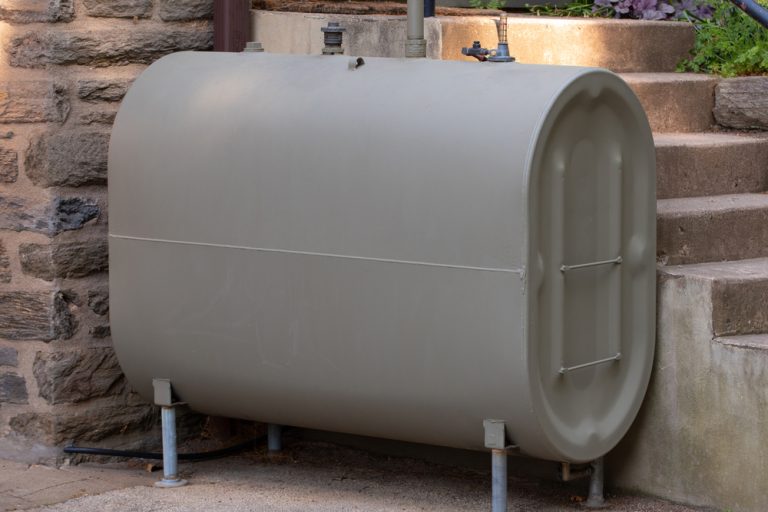
Nearly 44% of Suffolk County households use heating oil as their primary heating fuel. That’s not inertia — it’s a reflection of real conditions on the ground. The county’s housing stock is largely post-World War II construction, built during the 1950s through 1980s suburban expansion when oil heat was the standard and natural gas infrastructure was limited or nonexistent in many areas. The systems went in, they worked, and many of them are still working today.
Switching to gas requires more than just a new furnace. You need a gas line connection if one doesn’t already serve your home, a new furnace or boiler, updated venting, and in many cases, additional permits and inspections. When you add all of that up against the operating cost savings of gas over oil, the payback period is often longer than homeowners expect — especially if your existing oil system still has years of life left in it.
There’s also the fuel itself to consider. New York State requires all heating oil delivered in Downstate areas, including all of Suffolk County, to be a B5 biodiesel blend — 5% biodiesel content minimum. This isn’t optional and it isn’t a marketing claim. It’s a state mandate, and it means the heating oil delivered to every home in Suffolk County burns cleaner than traditional #2 oil. Higher biodiesel blends are already in use and the trajectory is toward lower-carbon liquid fuels that work in existing oil systems without any modifications. That’s a meaningful long-term consideration for homeowners thinking about environmental impact.
The bottom line is that for a homeowner in Holtsville, Copiague, or Westhampton with a functioning oil system and no existing gas line, the financial case for conversion is rarely as strong as it looks at first glance. Upgrading to a high efficiency oil furnace or boiler — and locking in reliable delivery from us, a company that’s been serving this county for over 50 years — is often the smarter move.
**Is oil heating more expensive than gas on Long Island?** On a per-BTU basis, natural gas is generally less expensive to burn than heating oil. But the total cost comparison depends heavily on whether your home already has gas service. If you’re in a part of Suffolk County — eastern Medford, parts of the North Fork, rural areas around East Marion or New Suffolk — where a gas line doesn’t currently reach your property, the cost of connection alone can change the math significantly. And if your oil system has 10 or 15 years of life left in it, replacing it before it fails rarely pencils out financially.
**What is B5 heating oil and do I need it in Suffolk County?** B5 is a blend of 5% biodiesel and 95% conventional heating oil. New York State mandates this blend for all heating oil delivered in Downstate New York, which includes all of Suffolk County. Every gallon we deliver meets this requirement. It burns cleaner than straight #2 oil, it works in all modern heating systems without any modifications, and there’s evidence it can extend equipment life by improving lubricity in the fuel system.
**Will a heat pump actually work during a Long Island winter?** Heat pumps are genuinely efficient — the Department of Energy estimates they use about 50% less electricity than electric resistance heating. But their efficiency drops as outdoor temperatures fall, and Suffolk County winters regularly see extended stretches well below freezing. Most heat pump systems require a backup heat source for the coldest days, which adds complexity and cost. For Long Island homeowners, that backup is often electric resistance heat — which brings you right back to PSEG’s rates and the expense of heating through a full winter in our region.
**How long does an oil heating system last?** Longer than most people realize. The typical oil furnace or boiler that gets replaced has been running for 25 to 35 years. It’s not unusual to find systems that are 50 years old still operating effectively. Natural gas furnaces, by comparison, generally last 10 to 15 years. That difference in equipment lifespan is a real financial consideration when you’re weighing the cost of switching fuel types.
There’s no universal answer here, and anyone who tells you otherwise is selling something. The right system depends on your home’s age, your current equipment, your location within Suffolk County, and what you’re actually trying to solve — lower bills, fewer repairs, environmental footprint, or just reliable heat when it’s 15 degrees in January.
What we can say with confidence is that oil heating remains a practical, efficient, and cost-competitive choice for a large share of Suffolk County homeowners. Modern high efficiency systems have closed the gap with gas on efficiency, B5 biodiesel is already delivering cleaner combustion, and the equipment longevity of oil systems is genuinely hard to match.
If you’re working through this decision and want a straight answer from people who’ve been delivering heat to Suffolk County families for over 50 years, reach out to us at Consolidated Energy – Suffolk Oil. No sales pressure, no contracts — just honest information and reliable service when you need it.
Article details:
Share:
Continue learning: