
A dry tank is only half the problem. Here's how to confirm it's empty, get oil to your Suffolk County home, and make sure the heat actually comes back.
Share:
Summary:
The house is getting colder, the gauge reads empty, and you’re trying to figure out whether this is one phone call or a long night. Either way, you want straight answers. In Suffolk County, more than four in ten households still heat with oil, so running dry happens more often than anyone likes to admit. Here’s how to confirm the tank is the problem, get oil delivered today, and deal with the part that catches most people off guard: the heat not coming back after the truck leaves.
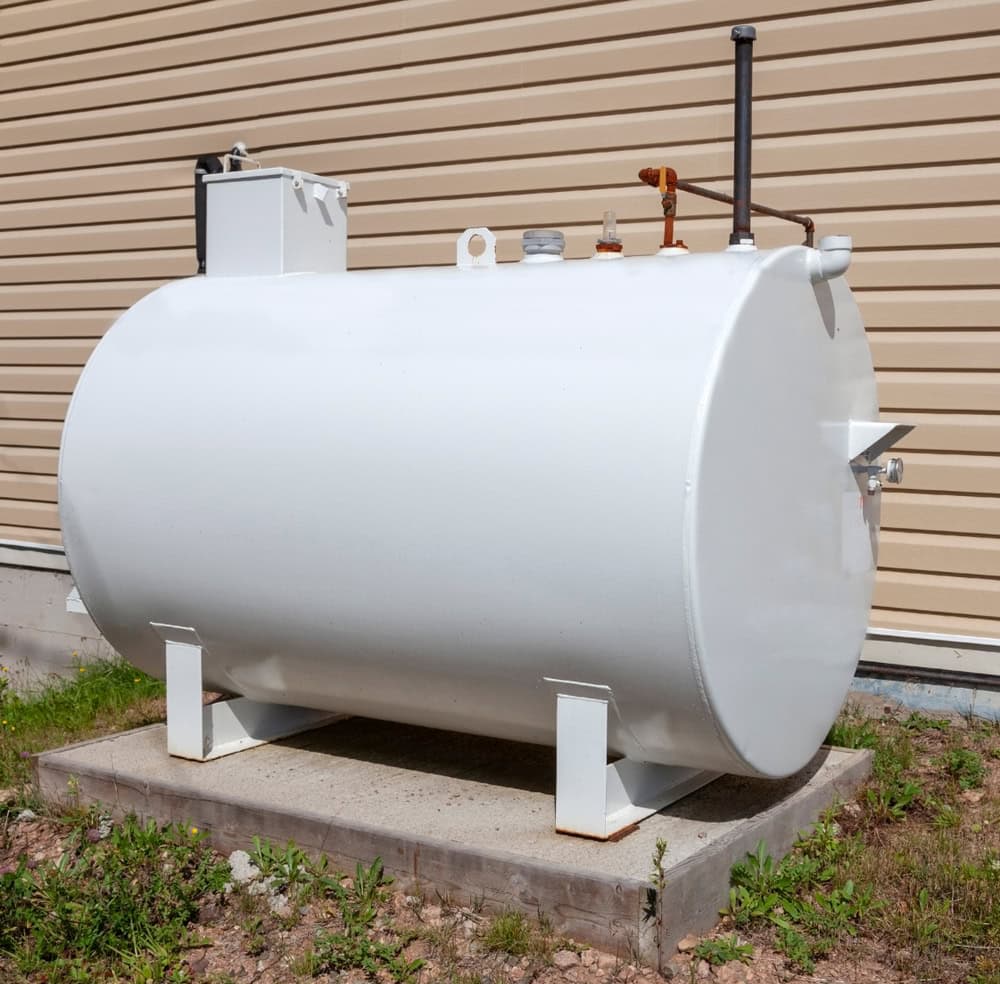
Before you call anyone, take a minute and look at the tank. Most Suffolk County homes, especially the postwar houses in towns like Islip, Patchogue, and Northport, have a 275-gallon tank in the basement or garage. If the gauge sits on empty, you’re probably right.
If it’s hovering just above empty, don’t take comfort in it. Five gallons might stretch a week in summer, but in a cold snap it can be gone in less than a day. A little left in the tank in January usually means you’ve already run out.
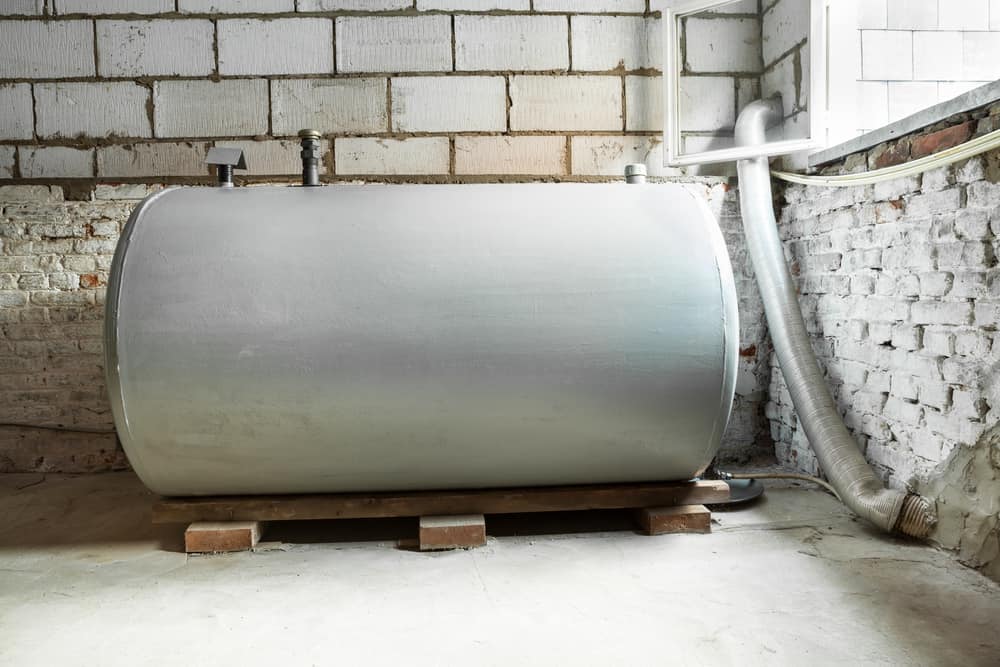
Gauges stick. It happens more often than you’d think, especially on older tanks, and a needle pointing at empty can be sitting on a tank that still has oil in it. Before you pay for a delivery, rule out the usual suspects.
Make sure the thermostat is set above the room temperature and is actually calling for heat. Check the breaker for the burner and the emergency switch that powers it, because those get flipped by accident all the time.
Then look at the burner. If it has shut itself down on a safety, you’ll see a red reset button on the control box. We’ll get to how to use it properly further down, because the order of operations matters.
If the tank really is dry, that’s useful to know, and you can tell the person on the phone exactly what you’re looking at. It speeds everything up.
If you smell oil, see a puddle, or spot a stain around the tank or the lines, stop. That’s a different problem than running out. Leave the burner alone and call the New York State Spill Hotline at 1-800-457-7362. Then call us too, so we can talk through what to do next.
One more detail specific to Suffolk County: a lot of tanks out here are decades old and tucked into basements and garages nobody has looked at in years. Along the South Shore, North Shore, and East End, salt air and damp wear on equipment faster than people expect. If your tank looks rough, mention it when you call.
The biggest thing you control is when you call. We offer same-day emergency delivery when you call or order early enough in the day, subject to availability. We won’t promise a two-hour window that one bad storm can wreck. The storm that knocked out your heat has usually done the same to hundreds of other Suffolk County homes at the same time, and the earliest calls get the earliest trucks.
Waiting until dark to see if the gauge moves is how a Tuesday problem turns into a Wednesday problem.
You can reach us at 631-924-4030 or order online any hour of the day. Online ordering takes under five minutes and shows you the price per gallon before you commit. Our emergency service covers nights, weekends, and holidays.
Emergency deliveries start at 50 gallons, so you don’t have to buy a full 275-gallon tank just to get warm again. Regular orders run from 25 gallons up to 5,000, or you can ask us to fill the tank. You don’t need a contract with us, and there are no service fees or hidden fees on top of the oil. Pay by credit card, and you don’t even need to be home. Or pay on delivery. Either way, the driver leaves a receipt showing exactly what you got.
Geography matters out here too. Huntington Bay and Montauk aren’t the same drive, and a barrier-island address like Oak Beach isn’t the same as a house in Nesconset. Our drivers live and work in Suffolk County, and they know the back routes when the main roads are jammed on a storm day.
Want live answers?
Connect with a Suffolk Oil expert for fast, friendly support.
Here’s what nobody tells you: when a burner runs completely dry, it pulls air into the fuel line. Once the tank is full again, that air can keep the burner from firing, so you’ve got oil and no heat.
That’s why a drop-and-go delivery doesn’t always end the emergency. You stand in a cold basement with a full tank, wondering what went wrong, and the answer is a pocket of air.
When we deliver to a home that has run dry, we help get the system back online instead of filling the tank and driving off. Our drivers aren’t going to promise the same outcome on every system, but you won’t be left guessing.
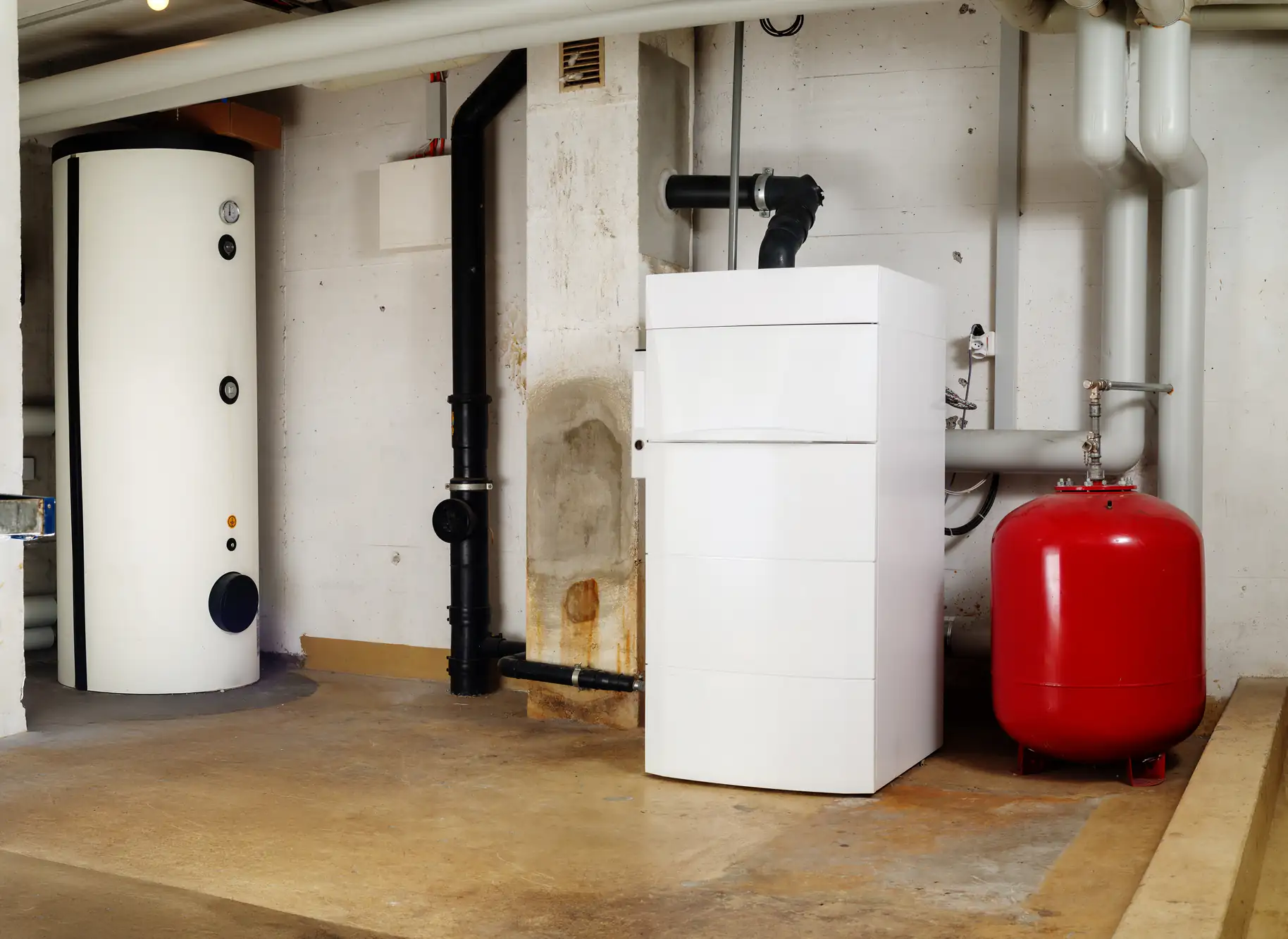
On most oil burners, the reset button is a red button on the control box. Press it once, then give the burner a moment to see if it fires. If it catches and keeps running, you’re done.
If it doesn’t, resist the urge to keep pressing. Repeated presses can push unburned oil into the combustion chamber, and that makes a bad night worse. Some guides say two or three tries is fine. We’d rather you stop at one and call.
If the burner starts, runs a few seconds, and quits, or won’t start at all, air in the line is the likely reason. Fixing that means bleeding the line, which involves opening a small bleeder valve on the burner’s fuel pump until the oil runs clear without air. It’s doable, but it means hot equipment and spilled oil, and a cold night in the basement isn’t the time to learn it.
You may also read that you can pour a few gallons of diesel or kerosene into the tank to limp through. Ask your oil company or a technician before you try it. It’s a safety and warranty question, and the answer depends on your system.
A short outage usually won’t hurt anything, because the safety shut-offs are there for exactly this. A long stretch dry is what lets air and debris into the line and clogs filters, which is one more reason to call early rather than wait it out.
By our count, roughly 259 heating oil companies serve Long Island, and “24/7” doesn’t mean the same thing on every website. Before you commit, ask a few plain questions.
Do they deliver to people who aren’t already customers? What’s the minimum number of gallons for an emergency? Is there an extra charge for nights or weekends? What does same-day actually mean, and what’s the cutoff? Will someone help you get the burner running after the oil goes in?
Some dealers keep emergency slots for account holders only. Others set minimums of 100 or 150 gallons. Neither is a scandal, but you should know before you’re standing in a cold house. With us, you don’t need a contract, emergency deliveries start at 50 gallons, and the price is shown before you order. If something about your situation is unusual, tell us on the call and we’ll say so plainly.
Once the heat is back, it’s worth a few minutes to make sure it doesn’t happen again. The easiest habit is to order when the tank hits about a quarter, not when the gauge hits empty. If you’d rather not keep an eye on it, we offer automatic delivery with remote tank monitoring, which adjusts for cold snaps. Plenty of people stay on will-call and that works fine too, as long as you set a reminder.
If the furnace itself is acting up, we service oil heating systems, so delivery and repair come from the same place.
If you remember nothing else, remember this: check that the tank is actually empty, call early in the day, and don’t count on the burner restarting by itself. Press the reset button once, and if nothing happens, stop and call. Air in the line is common after running dry, and it’s fixable.
For more than 50 years, Consolidated Energy – Suffolk Oil has delivered heating oil across Suffolk County, from the South Shore to the North Fork and out to the East End. When your tank is dry, you want a delivery and a working burner, not a cold house and a runaround.
Call us at 631-924-4030 or order online, tell us what you’re seeing, and we’ll get a truck headed your way.
Article details:
Share:
Continue learning: