Long Island summers are tough on AC systems. Here's what Suffolk County homeowners actually need to do to stay cool, cut energy costs, and avoid a breakdown when it matters most.
Share:
Summary:
Suffolk County summers don’t ease you in. One week it’s mild, the next your AC is running nonstop through a heat wave with humidity sitting at 85%. That’s not a comfortable situation — and it’s a genuinely hard one if your system hasn’t been looked at in a while. The good news is that most AC problems don’t come out of nowhere. They build slowly, and the right heating oil services can help keep your home’s overall comfort system running reliably. This guide covers what to do, when to do it, and what’s worth leaving to a licensed technician — all with Long Island’s specific climate in mind.
Most generic AC maintenance advice was written with a drier climate in mind. Suffolk County is different. Sitting between the Long Island Sound and the Atlantic, the county sees summer humidity levels that regularly push past 75 to 85 percent — and that changes how your cooling system behaves and what it needs.
High humidity means your AC isn’t just cooling air, it’s constantly pulling moisture out of it. That extra workload accelerates wear, and it creates conditions where mold and algae thrive inside the system — particularly in the condensate drain line. What’s a minor inconvenience in Phoenix becomes a real maintenance issue in Bay Shore or Huntington.
There are a handful of maintenance tasks that don’t require a technician, and doing them consistently makes a measurable difference. The air filter is the most important and the most neglected. During peak summer in a Suffolk County home, you should be checking it monthly and replacing it every 30 to 60 days — not quarterly, as many people assume. A clogged filter restricts airflow, which forces the system to work harder to push the same amount of cool air. Airflow problems alone can reduce a system’s efficiency by up to 15 percent. That translates directly to a higher PSEG Long Island bill every month.
The outdoor condenser unit needs attention too. Walk around it and clear away anything within two feet — grass clippings, leaves, shrubs that have grown in over the season. The unit pulls air through those fins, and anything blocking that airflow makes the compressor strain. While you’re out there, look at the fins themselves. If they’re bent or visibly dirty, that’s worth mentioning when you schedule a professional visit.
One task that’s especially relevant for Long Island homes is clearing the condensate drain line. Because of the humidity here, these lines accumulate algae and mold faster than in drier climates. Pouring a cup of diluted bleach down the drain every couple of months keeps it clear. If you’ve ever noticed water pooling around your indoor air handler, a clogged condensate drain is usually the culprit.
Finally, walk through your home and check the supply and return vents. It sounds basic, but furniture gets rearranged, rugs shift, and vents end up blocked without anyone noticing. Blocked vents throw off airflow balance throughout the system and make some rooms harder to cool than others — a common complaint in the older split-level and ranch homes you’ll find throughout central and western Suffolk County.
There’s a clear line between what a homeowner can maintain and what legally and practically requires a professional. Refrigerant is the most obvious example — handling it requires EPA Section 608 certification, and no homeowner can legally purchase or recharge refrigerant themselves. If your system is low on refrigerant, it’s not just an efficiency issue; it usually signals a leak that needs to be found and repaired before recharging makes any sense.
A professional annual tune-up should include cleaning the evaporator and condenser coils, checking refrigerant levels, tightening electrical connections, lubricating moving parts, testing thermostat calibration, and clearing the condensate drain system thoroughly. These aren’t optional extras — they’re the tasks that keep a system running at the efficiency it was designed for. Dirty evaporator coils, in particular, are a major driver of reduced cooling capacity and higher energy consumption, and they’re not something you can clean effectively without the right tools and access.
For homes in coastal communities — the Hamptons, Fire Island, Northport, Sayville — salt air is an additional factor. It accelerates corrosion on condenser coil fins and electrical connections in ways that aren’t visible until they become a problem. A technician who knows what to look for in these environments will catch early corrosion before it turns into a compressor failure. If your home is within a few miles of the water, that’s worth mentioning when you schedule service.
One more thing worth knowing: roughly half of all HVAC systems are improperly installed. If you’ve moved into an older home in Suffolk County — especially one built in the 1950s, 60s, or 70s — and you’ve never had the system professionally evaluated, that’s a smart starting point. A technician can tell you whether the system is properly sized for your home’s square footage, whether the ductwork is sealing and routing air the way it should, and whether any components are approaching the end of their useful life.
Want live answers?
Connect with a Suffolk Oil expert for fast, friendly support.
Heating and cooling account for roughly half of a home’s total energy costs. On Long Island, where PSEG electricity rates are among the highest in the continental United States, that number hits harder than it does in most other markets. The good news is that well-maintained systems use meaningfully less energy — and the savings compound over a full cooling season.
A system with clean coils, proper refrigerant levels, and unrestricted airflow runs closer to its rated efficiency. One that hasn’t been serviced in a few years can be consuming 15 to 20 percent more electricity than it should, just to produce the same amount of cooling. Over a Suffolk County summer, that adds up fast.
Most homeowners think about their AC in June when it gets hot and their heating system in November when it gets cold. That reactive approach is exactly what leads to emergency calls during heat waves and frantic searches for oil delivery in the first cold snap of October. A simple year-round schedule eliminates most of that stress.
Spring — ideally April or early May — is the right time to schedule your AC tune-up. Technicians aren’t fully booked yet, you have time to address anything they find, and the system is ready before temperatures climb. Once June arrives and a heat wave hits, you’ll be waiting days for an appointment. That’s not a comfortable position to be in, especially if you have elderly family members, young children, or pets at home.
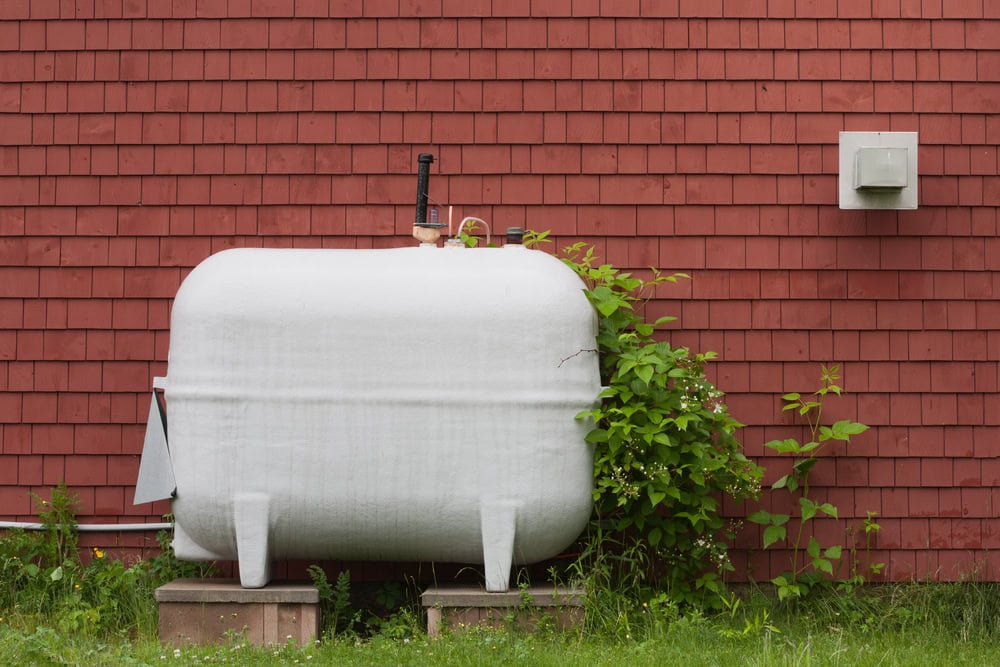
Summer, counterintuitively, is the best time to service your heating system. Your boiler or furnace has been sitting idle since April. Any issues that developed at the end of last heating season are still there — they didn’t fix themselves. Scheduling a heating system tune-up in July or August means technicians are available, parts can be ordered without urgency, and any repairs are done long before you need the heat. For oil-heated homes in Suffolk County, this is especially worth thinking about. A large portion of homes in communities like Patchogue, Medford, Brentwood, and Riverhead rely on heating oil as their primary heat source — and summer is when that system deserves attention, not the week the temperature drops.
Fall — September through October — is when you want confirmation that both systems are ready. Replace filters heading into heating season, test the thermostat, and make sure nothing was missed. By November, technicians are busy again, and parts lead times stretch out. Getting ahead of it in early fall keeps you in control of the timing.
This is the part most HVAC guides skip, and it’s the part that catches Long Island homeowners off guard the most. Your heating system sits dormant for five or six months every year. Burner components accumulate residue. Filters get forgotten. Nozzles and heat exchangers that were borderline at the end of March don’t improve with time — they just wait for you to turn the system on in October.
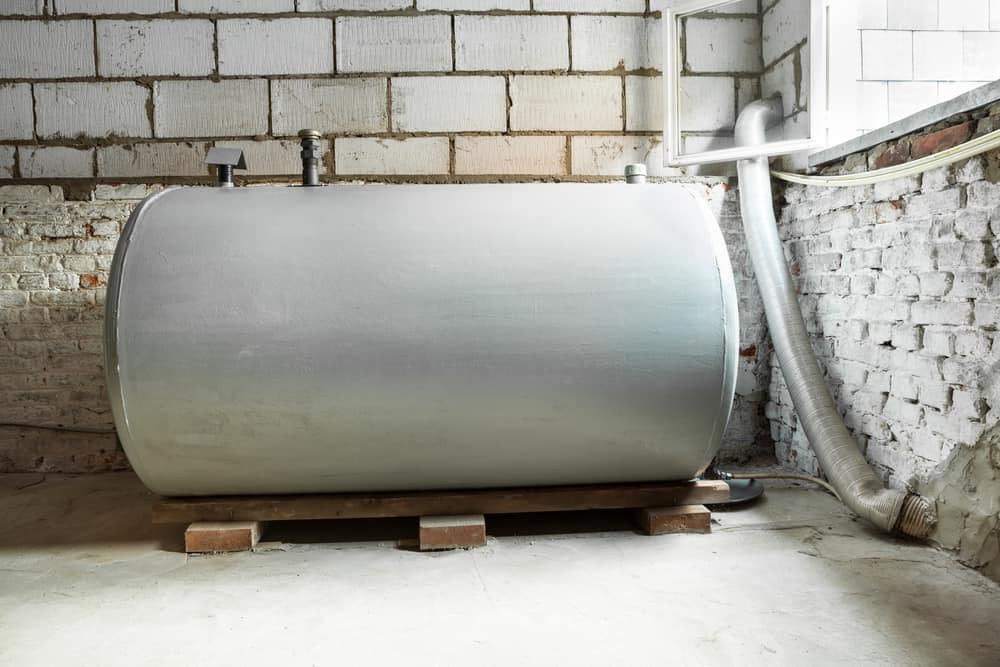
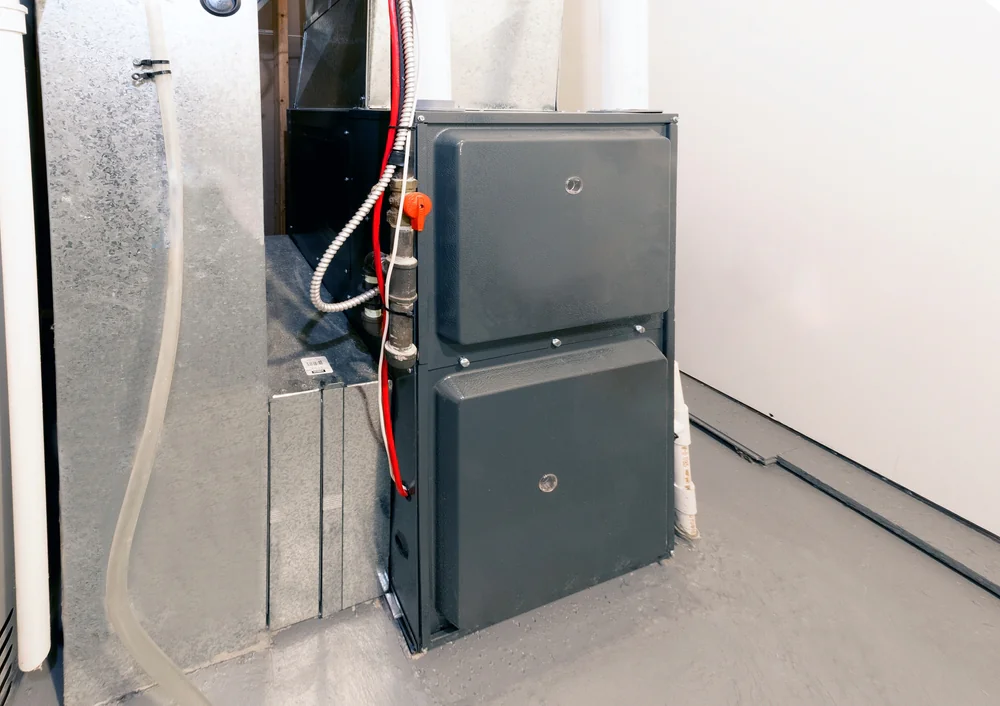
A summer heating system tune-up is straightforward. A technician will clean the burner assembly, inspect the heat exchanger, check the flue and venting system, test ignition and controls, and make sure the system fires cleanly and safely. For oil-heated homes, they’ll also inspect the fuel filter and oil line, and assess the condition of the tank if it’s accessible. These are the kinds of checks that prevent a no-heat call on a cold night — and the kind of repairs that are far easier to schedule when there’s no urgency.
There’s also a financial argument for doing it in summer. Deferred maintenance doesn’t save money — every dollar of maintenance you skip tends to become four dollars of repair or replacement cost down the road. A heating system tune-up now, when you have time and options, is almost always cheaper than an emergency service call in January when parts are backordered and technicians are stretched thin across all of Suffolk County.
For homeowners with older systems — particularly those running R-22 refrigerant in their AC units or using a boiler that’s pushing 20 years — summer is also the right time to have an honest conversation about replacement timelines. A good technician won’t push you toward a new system you don’t need. But knowing where your equipment stands, before it fails on the coldest night of the year, gives you the ability to plan rather than react.
Long Island’s climate — the humidity, the salt air in coastal communities, the hard winters and heavy summers — puts real demands on home HVAC systems. The homes here, many of them built decades ago, add another layer of complexity. Staying ahead of maintenance isn’t about being overly cautious. It’s about not being caught without cooling in August or heat in November, and not spending more on energy than you have to.
The basics are manageable: replace filters regularly, keep the outdoor unit clear, watch for warning signs, and schedule professional service before the season peaks. The bigger picture is a year-round approach that treats your AC and your heating system as connected — because they are, and because the downtime of one season is the best time to prepare the other.
If you’re in Suffolk County and want straightforward service from a company that’s been here for over 50 years, we’re worth a conversation. We offer a heating system tune-up special at $149.95 — no surprise charges, no runaround — and we serve all of Nassau and Suffolk Counties, including the East End communities that other providers often skip.
Article details:
Share:
Continue learning: