A practical guide to preparing your oil-fired heating system for a Suffolk County winter — before the cold snap catches you off guard.
Share:

Summary:
Suffolk County winters don’t ease you in. One week it’s 58 degrees, and two weeks later you’re looking at a nor’easter and a tank gauge that’s riding close to empty. If you’ve ever woken up to a cold house — or spent a January morning on hold trying to get an emergency delivery — you already know how quickly things can go sideways.
This page is for homeowners who want to get ahead of it. We’ll walk through heating oil tank inspection basics, a realistic preparation timeline built around how Long Island winters actually behave, and how to set up your delivery schedule so you’re never scrambling when the temperature drops.
Your oil tank doesn’t announce problems — it just fails. And in Suffolk County, where a lot of the housing stock dates back to the postwar building boom, there are homes in Bay Shore, Copiague, Brentwood, and Huntington Station running on tanks that are 30 or 40 years old. That’s not automatically a crisis, but it does mean annual inspection isn’t optional.
A tank failure isn’t just an inconvenience. Environmental cleanup from a leaking residential oil tank can run anywhere from $20,000 to $50,000 depending on the extent of the contamination. Catching a problem early — a corroded fitting, a slow seep at the base, a gauge that’s stopped working accurately — costs almost nothing compared to what you’re avoiding.
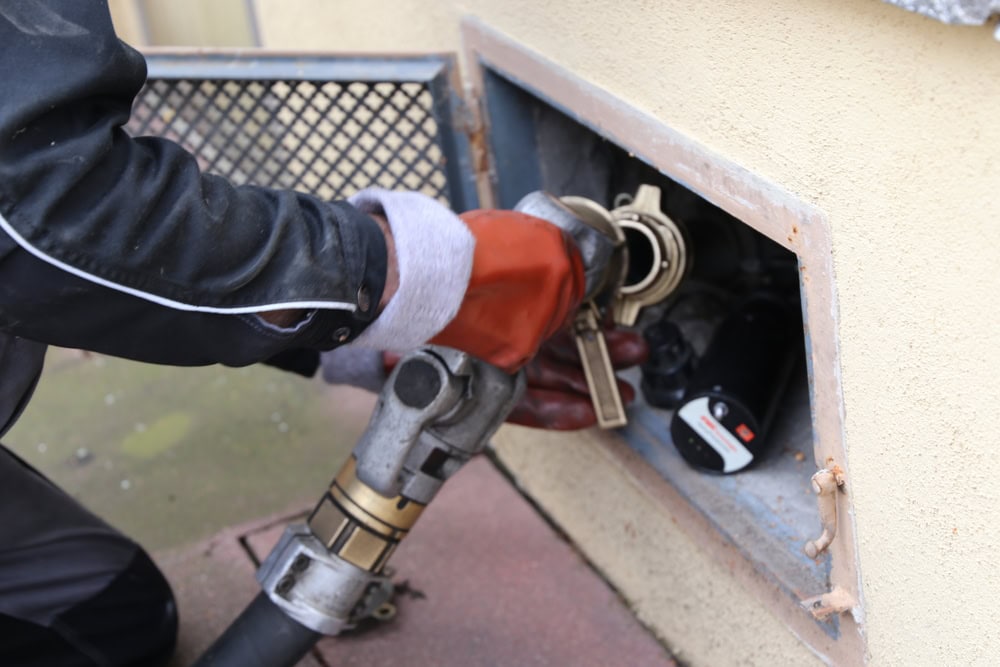
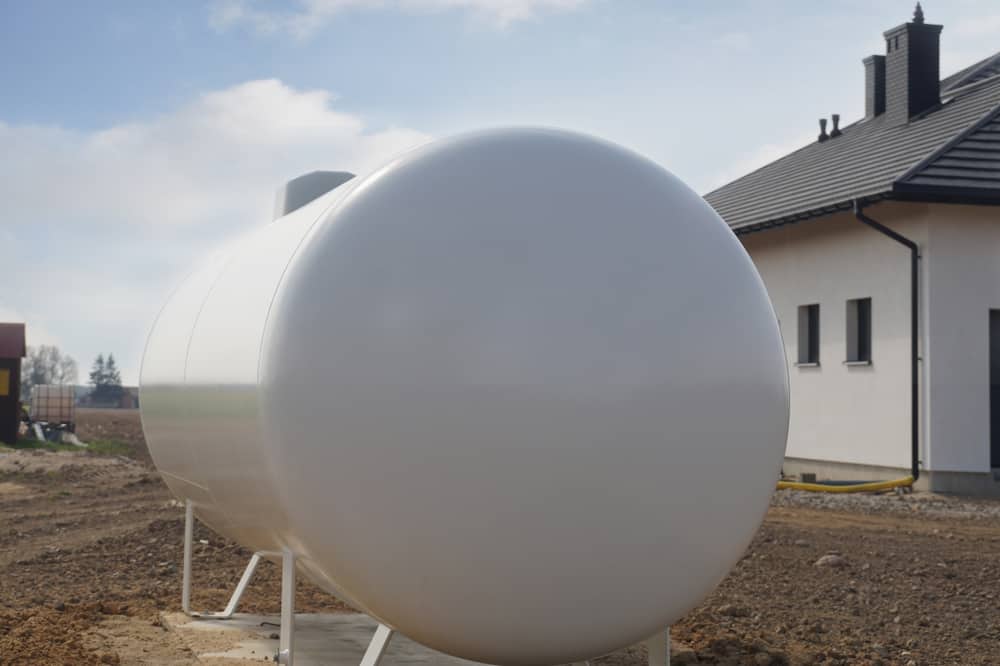
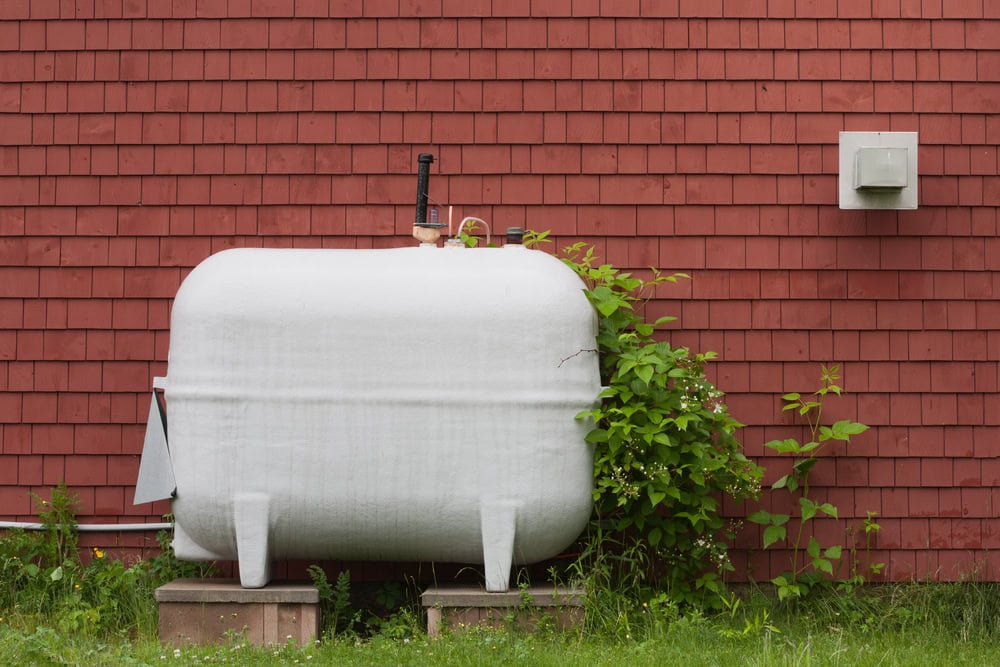
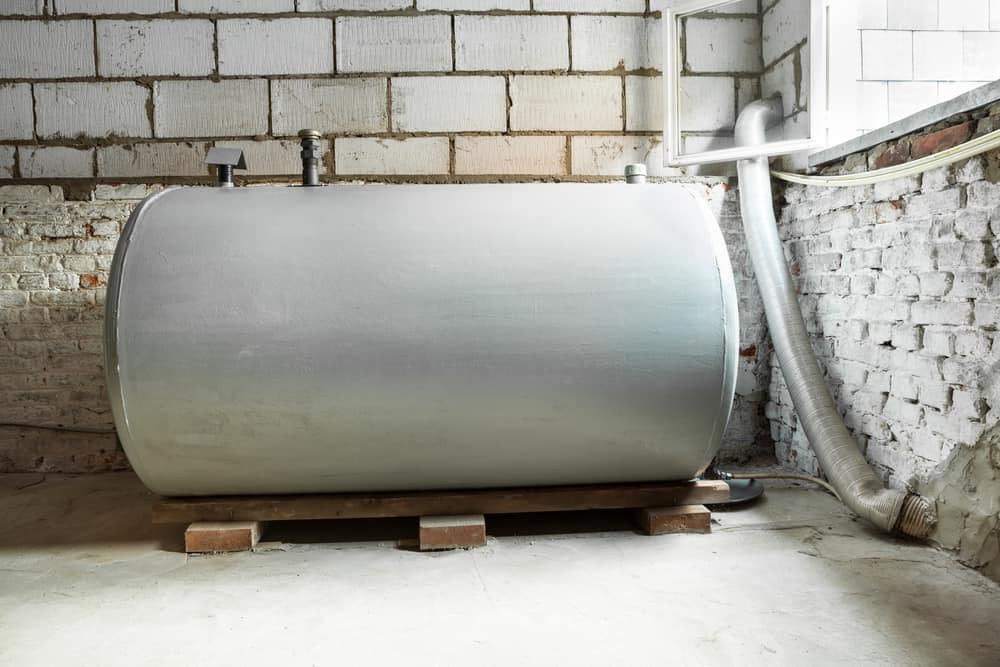
You don’t need to be a technician to do a useful visual check. Start at the bottom of the tank and look for any wet spots, staining, or oily residue on the floor beneath it. Even a slow seep will leave a mark over time. Then check the tank body itself for rust — surface discoloration is one thing, but flaking rust or soft spots in the metal are a different story and warrant a professional look.
Check the fill and vent pipes where they connect to the tank. These fittings are common failure points, especially on older installations. If the connection looks corroded or if there’s any sign of oil around the fitting, that’s worth flagging before winter arrives. The vent pipe cap should be intact and clear — a blocked vent can cause pressure problems when the tank is being filled.
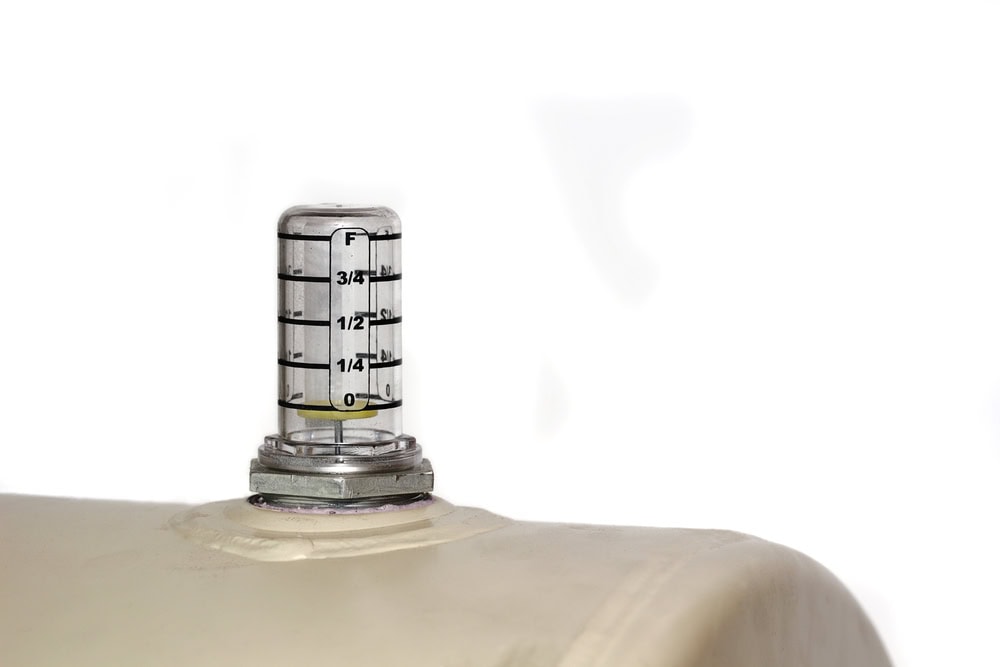
Your tank gauge is the other thing most people overlook. If the float inside has failed, you might think you have more oil than you do. A gauge that reads the same week after week regardless of weather is a red flag. You can do a rough cross-check by having a technician measure the actual tank level during a service visit.
Tanks over 25 years old are considered at elevated risk for internal corrosion, even when the exterior looks fine. Condensation builds up inside over years of use, and water sitting at the bottom of a tank accelerates rust from the inside out. If your tank is in that age range and hasn’t been inspected recently, fall is the right time to have someone take a proper look before you’re relying on it for the next five months.
This is the question most homeowners avoid asking because they’re afraid of the answer. But knowing the threshold is more useful than worrying about it vaguely. Industry guidance generally puts above-ground tanks at elevated replacement consideration once they’re past 25 years old. For in-ground tanks — which are less common in Suffolk County but do exist, particularly on older properties in Smithtown, Northport, and parts of Huntington — the threshold is closer to 18 years.
Age alone doesn’t automatically mean replacement. A well-maintained indoor tank in a dry basement can last longer. What matters more is the combination of age, visible condition, and history. If your tank has had a fitting replaced, shows staining at the base, or has a gauge that’s been unreliable, those are compounding risk factors worth taking seriously.
The other factor is your homeowner’s insurance. Some policies in New York have started limiting or excluding coverage for oil tank leaks on older tanks that haven’t been professionally inspected. It’s worth checking your policy language before winter, not after something happens.
If a technician recommends replacement, the good news is that modern above-ground tanks are more efficient and easier to monitor than the older steel tanks they replace. The upfront cost is real, but it’s a fraction of what a cleanup would run — and it removes the anxiety of wondering every winter whether this is the year something goes wrong.
Want live answers?
Connect with a Suffolk Oil expert for fast, friendly support.
When a cold snap hits in January and everyone is ordering at once, the companies that serve Suffolk County get stretched. Delivery windows that are normally one to two business days can start to stretch. The homeowners who don’t feel that pressure are the ones who started earlier. Here’s how the timeline actually works.
Late summer and early fall is when heating oil prices are historically at their lowest. Demand is minimal, delivery trucks aren’t running on tight schedules, and technicians have open slots. If you’re going to do anything on this list, this is the window to do it in.
September is the ideal time to schedule a heating system tune-up. A proper tune-up covers the combustion chamber cleaning, oil filter and nozzle replacement, burner adjustment, flue inspection, and a check of all the safety controls. It takes a couple of hours and it’s the single best thing you can do to prevent a breakdown on the coldest night of December. There’s a reason the first cold day of the season is also the busiest day for heating repair calls — every homeowner who skipped fall service is calling at the same time.
We offer a tune-up special at $149.95 — that’s $100 off the regular rate. It’s a real number, not a promotional gimmick. And it makes sense to schedule it now, before the calendar fills up. A dirty or misfiring burner can reduce your system’s efficiency by 25 percent or more, which shows up directly in your fuel bills. A clean, well-adjusted system burns less oil to produce the same heat.
By mid-October, your tank should have a fresh fill. Not because you’ll necessarily need it before November, but because Suffolk County weather has a way of skipping fall entirely. The average winter temperature here runs around 28 degrees Fahrenheit, and the year-over-year swings can be significant. A tank that’s half full in October gives you a comfortable buffer if November arrives early and cold.
The rule that works for most Suffolk County homeowners is simple: order when your gauge hits a quarter tank. On a standard 275-gallon tank, that’s roughly 70 gallons remaining. It sounds like plenty, but factor in a cold stretch that burns through fuel faster than usual, a nor’easter that delays delivery for a day or two, and the normal one-to-two business day window — and that buffer disappears quickly.
The nor’easter scenario is worth thinking through specifically. A serious storm doesn’t just make roads harder to navigate — it creates a simultaneous demand surge as temperatures drop and homeowners who were putting off an order suddenly all call at once. Delivery slots fill. The homeowners who ordered at a quarter tank two days before the storm get their delivery on schedule. The ones who waited until the gauge was on empty are looking at a longer wait and a colder house.
We offer 24/7 online ordering at suffolkoil.com — no account required, no login, no hold times. You can place an order at 11 PM on a Sunday or during a storm when you realize your gauge is lower than you thought. Same-day and next-day delivery are available, and the price is the same whether you pay by cash or credit card. That last part matters more than it sounds — a lot of oil companies charge a per-gallon surcharge for card payments, which adds up over a winter’s worth of deliveries.
One thing specific to New York State that’s worth knowing: all heating oil delivered in Suffolk County is required by law to be B5 biodiesel, a blend containing 5 percent biodiesel. It’s not a product upgrade — it’s a legal requirement for Downstate New York. We deliver the compliant blend on every order, which not every company makes clear to their customers. If you’re ever unsure what fuel you’re getting, ask.
The short version: inspect your tank in September, schedule a tune-up before the calendar fills up, get a fill on the books by mid-October, and order again when you hit a quarter tank. That’s it. It’s not complicated — it just requires doing it before you feel the urgency, which is exactly when most people don’t think about it.
Suffolk County winters are real. The housing stock here is older, the weather swings are unpredictable, and when a cold snap hits, the demand on the market tightens quickly. The homeowners who come through it without a problem are almost always the ones who got ahead of it in the fall.
If you’re ready to schedule a tune-up or place an order before the season gets away from you, we’ve been serving Suffolk County for over 50 years and are open 24 hours a day, seven days a week.
Article details:
Share:
Continue learning: