Suffolk County has stricter oil tank rules than New York State. Here's what that means for your home, your permits, and your compliance obligations.
Share:
Summary:
If you’ve ever tried to look up heating oil tank regulations for Suffolk County and walked away more confused than when you started, you’re not alone. The rules here involve multiple agencies, town-by-town permit differences, and county-level requirements that go beyond what New York State requires. It’s genuinely complicated — and the cost of getting it wrong ranges from permit headaches to contamination liability that can reach six figures. We’ve been delivering heating oil across Suffolk County for over 50 years, and we’ve watched homeowners navigate this system. This guide covers what you actually need to know.
Here’s something most homeowners don’t know: federal law actually exempts residential heating oil tanks from underground storage tank regulations. But New York State fills that gap — and Suffolk County goes even further. As one of only four delegated counties in New York (alongside Nassau, Westchester, and Cortland), we operate under a system where Suffolk County administers its own Petroleum Bulk Storage program. That means local rules can be stricter than the state baseline, and you can’t rely on generic New York guidance to tell you what applies to your property.
The 1,100-gallon threshold that often comes up in state-level discussions doesn’t tell the whole story here. Your tank may fall below that number and still be subject to county or town-level permit requirements depending on where it’s located and how it’s installed.
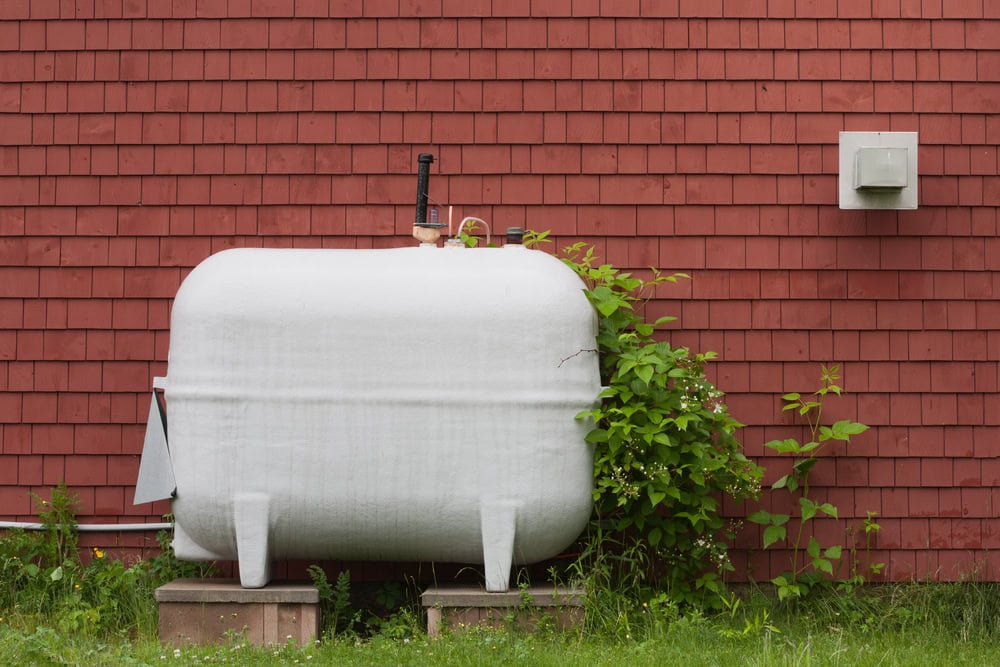
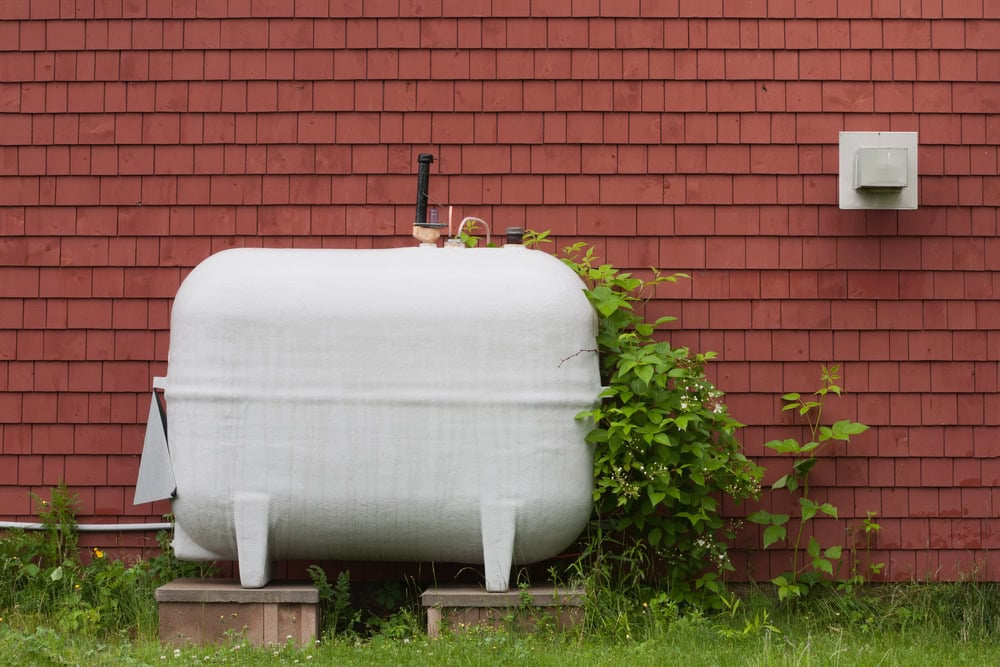
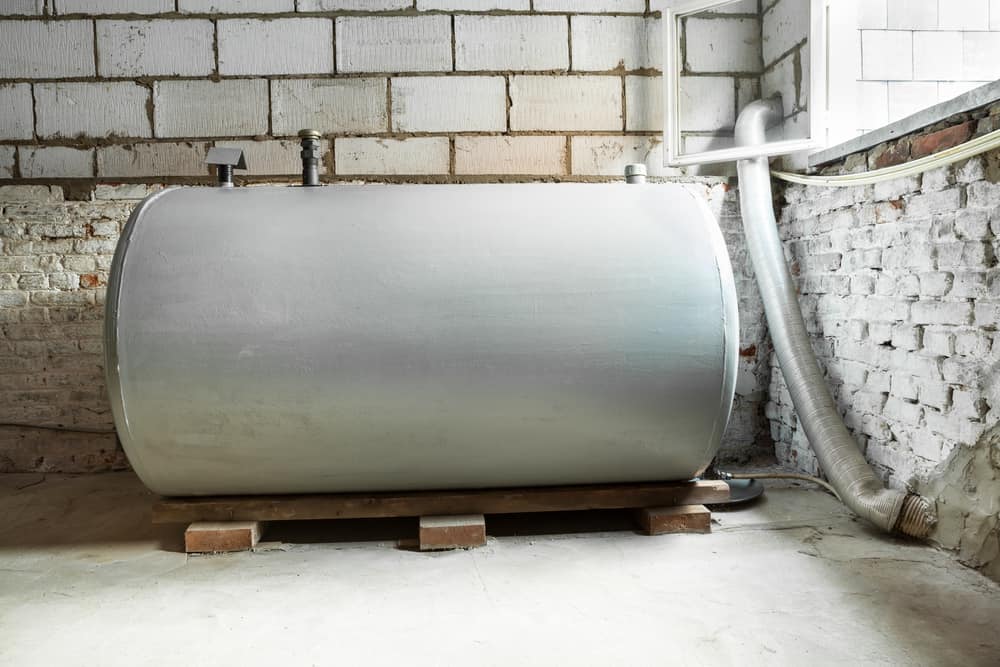
The short answer is: it depends on the type of tank, where it’s installed, and which town you’re in. An aboveground tank installed inside your home that holds less than 1,100 gallons generally does not require a permit from Suffolk County. But that’s where the straightforward part ends.
Outdoor aboveground tanks and underground tanks are subject to different — and more stringent — requirements. If you’re installing a new tank outside or in the ground, you’re likely looking at a permit application through the Suffolk County Department of Health Services, Division of Environmental Quality, which oversees toxic and hazardous materials storage under Article 18 of the Suffolk County Sanitary Code. This is the specific local regulation that governs petroleum storage in the county, and it’s what replaced the older Article 12 that some homeowners and contractors still reference.
Beyond the county level, your town’s building department has its own requirements. The Town of Brookhaven requires a permit for any oil burner that uses a tank over 25 gallons inside a building or over 60 gallons outside — with specific exceptions for space and water heating installations. The Town of Islip requires a permit to remove any oil tank that appears on a Certificate of Occupancy, and applicants need to submit an exterior tank placement diagram as part of that process. Huntington, Babylon, Smithtown, and the other towns across Suffolk County each have their own building departments and their own procedures.
If you’re planning a new installation or replacing an old tank, the safest approach is to contact both the Suffolk County Department of Health Services and your town’s building department before any work begins. Permits in New York typically run $30 to $160 depending on the municipality, and a standard heating system inspection costs $70 to $130. Those numbers are manageable. The cost of skipping permits — fines, insurance complications, issues at the closing table if you ever sell — is not. For homeowners arranging a new oil company service, confirming local requirements before work begins can help avoid unnecessary delays.
One more thing worth knowing: only a Restricted Licensed Plumber, as defined under Suffolk County Code Chapters 563 and 924, is legally authorized to install oil burning equipment in the county. Using an unlicensed contractor doesn’t just create liability — it can void your permits entirely.
The specific documents required vary by permit type and town, but for most regulated installations in Suffolk County, you should expect to submit a Toxic Liquid Storage Registration Form through the Suffolk County Department of Health Services. For new construction or tank replacement, an Application for Permit to Construct is typically required as well, often accompanied by engineering plans or a site diagram showing tank placement, setbacks, and containment measures.
If you’re dealing with an underground tank — particularly one installed before December 27, 1986 — there are additional requirements. Tanks of that age must be tested annually for tightness unless weekly leak detection methods are in use. This isn’t optional, and it’s not something that gets waived because the tank has been in the ground for decades without any visible problems. Underground tanks corrode from the inside out. By the time there’s a visible sign of failure, contamination may have already reached the soil.
PBS registrations through the state expire every five years, with fees ranging from $0 to $500 per facility depending on capacity. If your property has a registered tank and you haven’t checked the registration status recently, it’s worth confirming it’s current before a home sale or insurance renewal catches it first.
The permit process can feel like a lot to manage, especially when you’re dealing with both county and town requirements simultaneously. But working with a licensed contractor who knows Suffolk County’s system — and a fuel delivery company that’s been operating in this county long enough to understand the regulatory landscape — makes it considerably more manageable.
Want live answers?
Connect with a Suffolk Oil expert for fast, friendly support.
Suffolk County’s oil tank regulations aren’t just about paperwork. They exist because of something specific to this part of Long Island: the Long Island Aquifer System. This sole-source aquifer is the primary drinking water supply for the entire county. There’s no municipal surface water backup. A petroleum leak that reaches the groundwater here isn’t an abstract environmental concern — it’s a direct threat to the water coming out of your tap.
That’s why we take spill prevention seriously, and why homeowners should too. The cost of contamination cleanup in New York has exceeded $1 million at some properties. The cost of proper installation and maintenance is a fraction of that.

For tanks that fall under Suffolk County’s regulatory scope, environmental compliance involves more than just getting a permit. Properly installed tanks are expected to include spill containment measures, secondary containment for outdoor aboveground units, overfill protection, and vent alarms to prevent accidental overflow during delivery. These aren’t optional upgrades — they’re baseline requirements for compliant installations, and they reflect the NFPA 31 standard for oil-burning equipment that most local codes reference.
If contamination is discovered, New York State requires it to be reported to the NYSDEC Spills Hotline — 1-800-457-7362 — within two hours of discovery. That’s a short window, and the enforcement consequences for missing it are significant. Knowing that number before you need it matters.
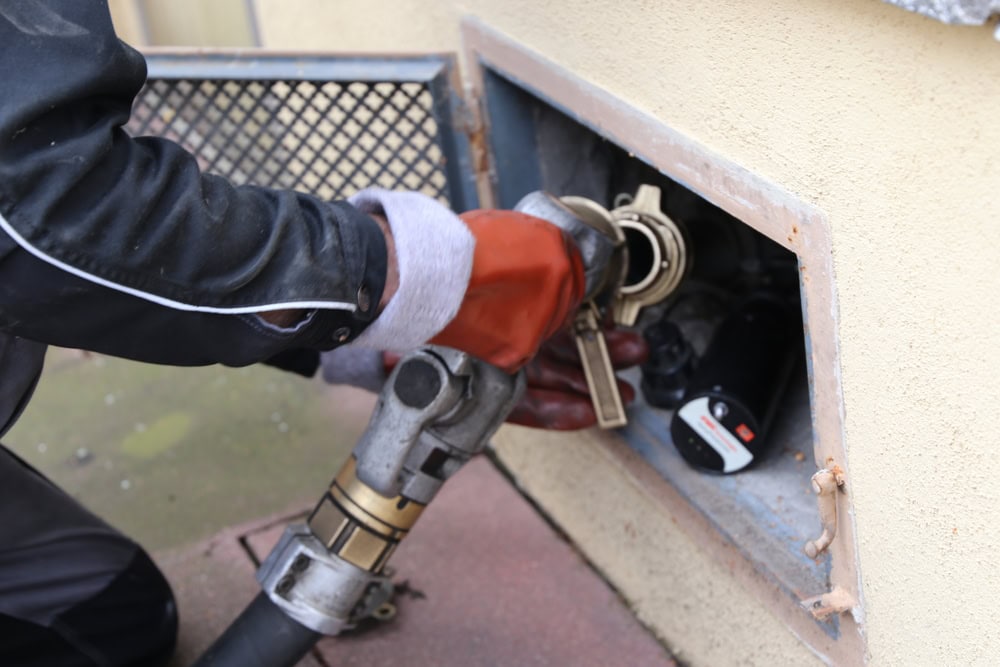
There’s also a fuel compliance layer that’s specific to Suffolk County. All of Downstate New York, including Suffolk County, is required by state law to use B5 heating oil — a blend containing 5% biodiesel. This isn’t a product upgrade or a green option you opt into. It’s mandatory. Every compliant delivery we make in Suffolk County uses B5, and when we deliver to your home, that requirement is already handled. You don’t have to think about it.
For homeowners with older tanks, the safety picture gets more urgent. Aboveground tanks that have been exposed to the elements for 15 or more years should be evaluated for replacement — not because they look bad, but because rust and corrosion happen from the inside. A tank that looks acceptable from the outside can be compromised internally. Signs that warrant immediate attention include the absence of a vent alarm, vent pipes under 1.25 inches in diameter, a tank that isn’t level or properly secured, any staining or fuel odor near the base, or a tank that simply hasn’t been inspected in years.
Standard residential tanks last 20 to 30 years under normal conditions. If your tank is approaching or past that range, a conversation with a licensed contractor is worth having before the heating season starts — not after something goes wrong at 11 PM in January.
It’s a fair question, and the honest answer is that it depends on when the problem surfaces — but the consequences are rarely small.
The most common scenario we see is a home sale. Long Island’s real estate market moves quickly, and buyers and their lenders frequently require tank inspections or certifications before closing. If your tank is unregistered, unpermitted, or showing signs of deterioration, it can hold up or kill a deal entirely. Sellers in Brookhaven, Islip, Huntington, and across Suffolk County have faced this situation — and the urgency of a closing deadline is not the ideal time to discover a compliance gap that should have been addressed years earlier.
Insurance is another trigger. Homeowners insurance carriers are increasingly scrutinizing oil tanks, particularly underground ones. If your insurer asks about your tank’s age, registration status, or inspection history and you don’t have good answers, you may be looking at coverage conditions, premium increases, or in some cases, non-renewal. That’s a problem that compounds quickly.
And then there’s the worst-case scenario: an actual leak. If petroleum contaminates your soil or reaches the aquifer, the cleanup obligation doesn’t go away because you didn’t know the tank was failing. New York’s environmental laws are clear about responsibility, and the financial exposure is real. A proactive inspection and, if needed, a permitted replacement costs a fraction of what contamination remediation costs — and it protects your property value, your water supply, and your neighbors’ as well.
The good news is that none of this is as complicated to address as it sounds when you’re starting from scratch. Getting your tank’s compliance status sorted out — permits, registration, inspection — is a defined process with a defined endpoint. The uncertainty is usually worse than the reality.
Suffolk County’s heating oil tank regulations are genuinely more complex than what most homeowners expect going in. Between the county’s delegated regulatory authority, town-by-town permit requirements, aquifer-driven environmental standards, and the B5 biodiesel mandate, there’s a lot of ground to cover — and the stakes for getting it right are higher here than in most other parts of New York.
What makes it manageable is working with people who already know the system. We’ve been delivering heating oil across Suffolk County for over 50 years, through every regulatory change and every winter this county has thrown at us. We’re not a corporate call center trying to figure out your local codes from a database. We know the county, we know the towns, and we know what compliance actually looks like for a real homeowner with a real tank.
If you have questions about your tank, your fuel, or what the regulations mean for your specific situation, reach out to us. We’re available 24 hours a day, and we’re happy to point you in the right direction.
Article details:
Share:
Continue learning: