Getting shorted on a heating oil delivery is more common than most homeowners realize. Here's how to catch it before it costs you.
Share:
Summary:
You ordered heating oil. The truck showed up, the driver was in and out in under ten minutes, and you got a receipt. Simple enough — except you have no way to know whether the number on that ticket matches what actually went into your tank.
For most Suffolk County homeowners, that uncertainty is just part of the deal. It shouldn’t be. Heating oil shorting is a documented problem in the New York metro area, and the homeowners who get taken advantage of are almost always the ones who didn’t know what to look for. This guide changes that.
The good news is that you don’t need special equipment or a background in fuel systems to do a basic oil delivery accuracy check. What you need is a little preparation and the willingness to pay attention during and after the delivery.
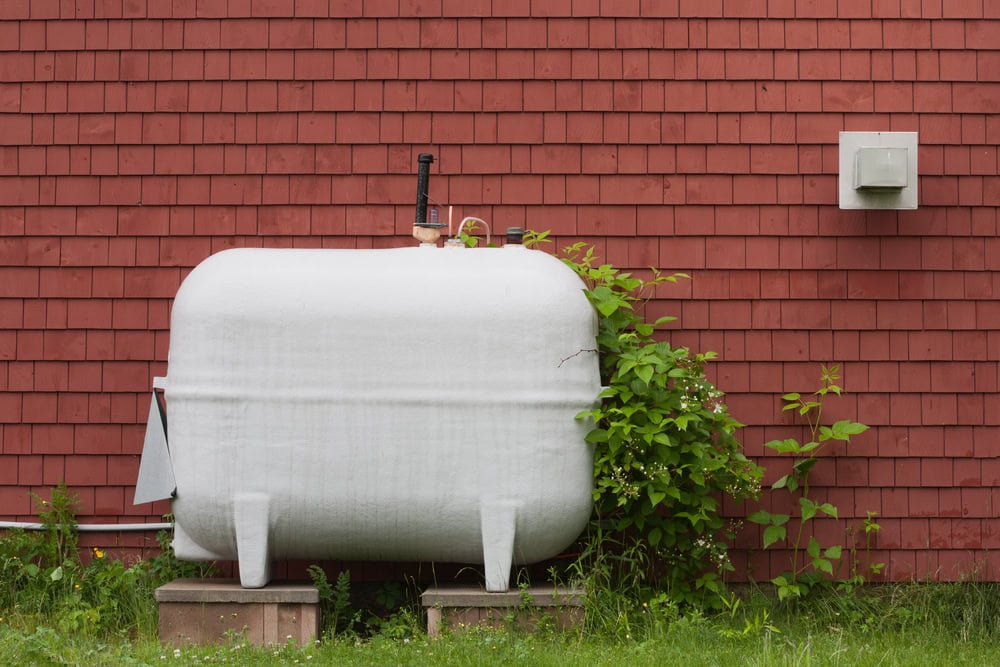
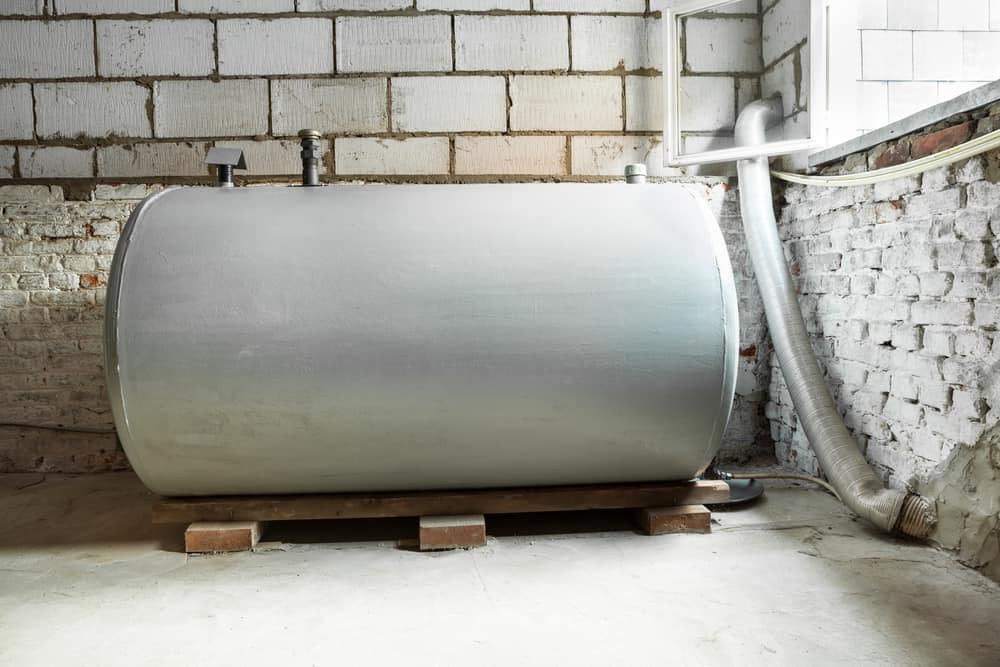
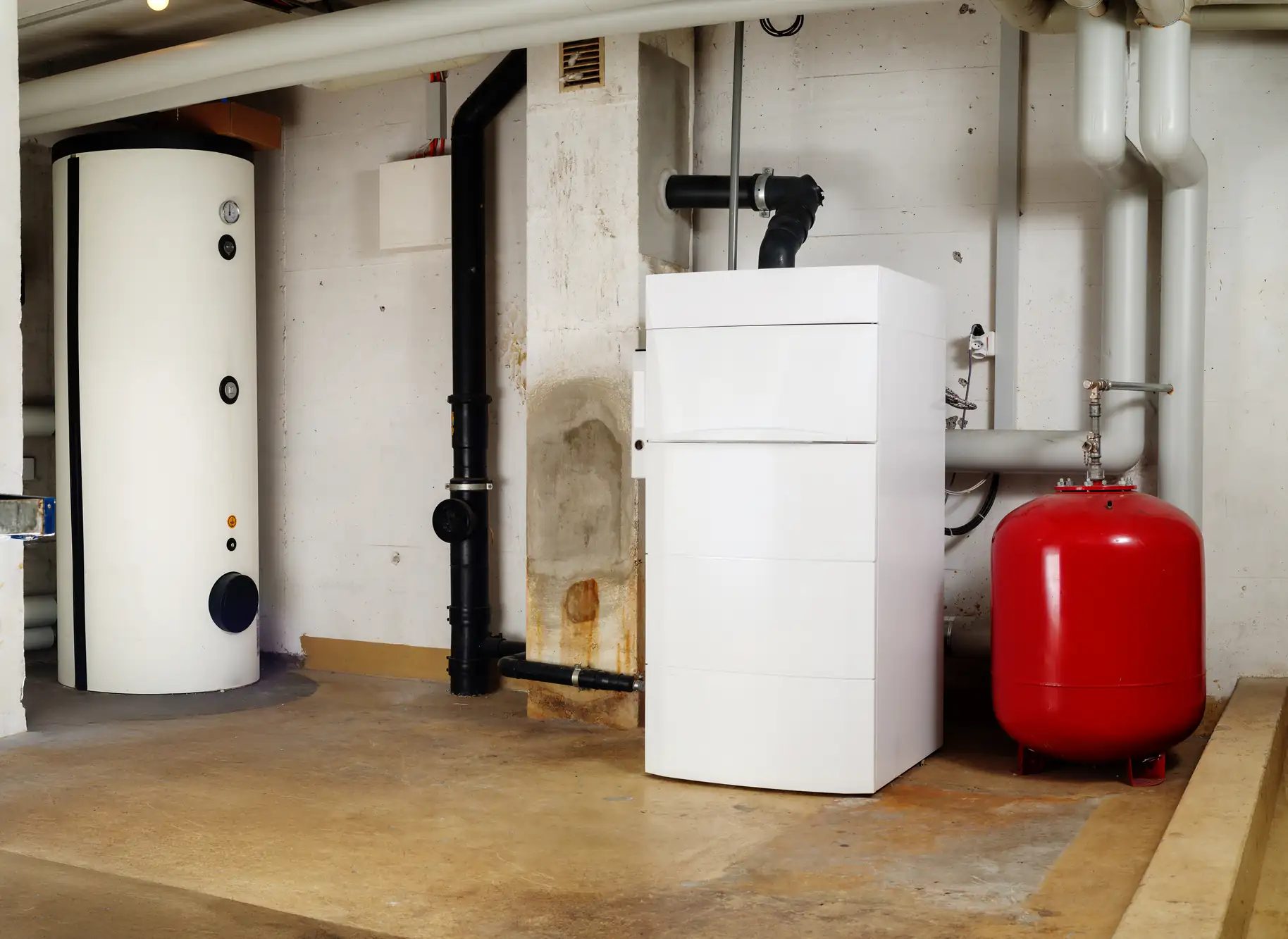
Before the truck arrives, take note of your tank gauge reading and write it down. Most residential tanks in Suffolk County are 275 gallons — the standard size in the post-war ranch homes and colonials that make up much of the county’s housing stock. If you know your tank’s capacity and your starting level, you can do a rough calculation of how much oil it should take to fill it, and compare that against what the delivery ticket says.
After the delivery, check the gauge again. Float gauges aren’t perfectly precise, but a significant discrepancy — say, you paid for 150 gallons and the gauge barely moved — is worth questioning. A dipstick measurement is more reliable than the gauge for a closer read. Tank capacity charts are available online for standard 275- and 330-gallon tanks, and they’ll show you how many gallons correspond to a given stick depth.
This is where most homeowners check out — and where the problems begin. A few things happen at the start of every legitimate delivery that you should be aware of, because skipping any one of them is a red flag.
The meter on the delivery truck must be zeroed before pumping starts. This is not optional — it’s required under New York State law. If the driver starts the delivery without zeroing the meter, the gallons that show up on your ticket could include oil that was “on the meter” from a previous stop. That’s not a technicality. That’s theft.
You also want to look at the truck’s inspection sticker. In Suffolk County, heating oil delivery trucks are regulated by the New York State Department of Agriculture and Markets, which requires annual meter inspections on every vehicle. A current sticker on the passenger-side window tells you the meter has been tested and certified within the last year. No sticker — or a sticker that’s clearly out of date — means the meter hasn’t been officially verified, and you have no way to know whether it’s accurate.
Electronic meters, which most reputable companies now use, are significantly harder to tamper with than older mechanical ones. Old mechanical meters can be physically removed from their housing and reset with something as simple as a cordless drill. Electronic meters create a digital record of every delivery. If a company is still running old mechanical equipment, that’s worth noting.
One more thing: a legitimate driver won’t be bothered if you’re standing there watching. In fact, a driver who seems uncomfortable with you observing the meter is telling you something. Professional drivers working for reputable companies do this the same way every time, and they don’t need an audience to disappear.
Every heating oil delivery in New York State is required by law to produce a metered delivery ticket. This isn’t something you have to ask for — it’s supposed to be handed to you automatically. But knowing what should be on it helps you catch problems fast.
A proper delivery ticket includes the date of delivery, the seller’s name and address, your name and address, the grade of fuel delivered, the price per gallon, the total number of gallons, and the total charge. It should also carry a serial number. That serial number matters because it creates a paper trail — delivery records must be retained by the seller for at least one year under state law, which means if you have a dispute, there’s documentation on both sides.
The grade of fuel is worth paying attention to in Suffolk County specifically. The county mandates the use of B5 biodiesel — a blend of 95% ultra-low-sulfur heating oil and 5% biodiesel — for residential deliveries. It’s an environmental regulation, and it’s one that legitimate, licensed operators comply with. If your ticket doesn’t reflect the correct fuel grade, or if a driver is vague about what’s in the truck, that’s a problem. You’re paying for a specific product, and you’re entitled to receive it.
Keep your delivery tickets. File them by date. Over the course of a heating season, a pattern of small discrepancies adds up quickly. At $4.50 per gallon, a 20-gallon short on a single delivery is $90 out of your pocket. Across five or six deliveries in a Suffolk County winter, that’s potentially $450 to $540 gone — and without records, you have nothing to point to.
Want live answers?
Connect with a Suffolk Oil expert for fast, friendly support.
Verifying your delivery is easier when you understand the basics of how residential oil tanks work and what “normal” looks like. A lot of the anxiety around this topic comes from homeowners who simply don’t have a reference point — they don’t know how much the gauge should move after a 100-gallon delivery, or what a full tank actually looks like on the dial.
Your tank gauge is a float — a small device that rides the surface of the oil and connects to the dial on top of the tank. It gives you a general sense of level, but it’s not a precision instrument. Two tanks of the same size can show slightly different readings in similar conditions. That’s normal. What’s not normal is a gauge that doesn’t move at all after a 150-gallon delivery, or one that moves dramatically less than expected.
Getting familiar with your tank before winter hits makes a real difference. Know your tank’s capacity, take a baseline gauge reading when the tank is known to be full, and compare future readings against that baseline.
Heating oil scams aren’t hypothetical. In a widely reported New York metro area investigation, 44 people from nine fuel delivery companies were arrested for systematically stealing from residential customers and city agencies — with estimated losses of at least $18 million annually. This happened in the region. It happened to homeowners who had no reason to suspect anything was wrong.
Understanding how these scams actually work is the most effective form of fuel delivery scam prevention, because once you know what to look for, the red flags become obvious.
The most common method is meter tampering. Older mechanical meters can be removed from their base and manually advanced with a simple tool — the meter records more gallons than were actually pumped, the ticket reflects the inflated number, and the homeowner pays for oil that never left the truck. This is why the shift to electronic meters matters, and why you should ask what kind of metering equipment your delivery company uses.
A diversion valve scam is harder to spot but works on the same principle. A hidden valve redirects some of the oil back into the truck’s tank through concealed pipes while the meter keeps running. The oil never reaches your tank, but the meter says it did. Homeowners with no baseline understanding of their tank levels have no way to catch this without careful measurement.
There’s also the hot oil method — heating the oil before delivery causes it to expand, so the volume in the truck appears larger. But heated oil contracts as it cools in your tank, and you end up with less than you paid for. And then there’s fuel substitution: mixing waste oil from auto shops into the delivery. You get the full volume, but the quality is degraded, and it can damage your burner over time.
None of these require sophisticated equipment to pull off. They require a homeowner who isn’t paying attention. That’s the one variable you can control.
If something doesn’t add up after a delivery — the gauge reading is off, the numbers on the ticket seem inconsistent, or you simply have a bad feeling — don’t let it go. You have options, and you don’t have to be confrontational to use them.
Start by documenting everything. Write down the gauge reading before and after delivery, photograph the delivery ticket, and note the time and date. If you have a dipstick, take a measurement. The more specific your records, the stronger your position if you need to escalate.
Contact us directly. We take your concerns seriously and are willing to review the delivery records on our end. If you’re not satisfied with the response from any company, the New York State Department of Agriculture and Markets Bureau of Weights and Measures handles complaints about fuel delivery meter accuracy in Suffolk County. This is the same agency responsible for the annual truck inspections required under state law — they have authority over this, and they take it seriously. Filing a complaint creates an official record and can trigger an inspection of the company’s equipment.
With 248 heating oil companies operating in Suffolk County, the quality gap between operators is real. Some have been doing this the right way for decades. Others are newer entrants competing on price alone, and not all of them are cutting corners accidentally. Knowing your rights — and knowing who to call — means you’re not starting from zero if something goes wrong.
Delivery verification isn’t about distrust — it’s about knowing what good service looks like so you can recognize it when you have it, and catch problems when you don’t. A zeroed meter, a complete delivery ticket, a current inspection sticker, and a driver who doesn’t mind you watching: those aren’t high standards. They’re the baseline. Any company worth your business meets them without being asked.
We’ve been delivering heating oil to Suffolk County homes for over 50 years. Every delivery we make uses properly inspected, electronically metered equipment. Every ticket we hand you is complete, serialized, and compliant with New York State law. And because we deliver the B5 biodiesel blend required by Suffolk County, you’re always getting the right fuel — not a cheaper substitute.
If you’re tired of wondering whether you’re getting what you paid for, Consolidated Energy – Suffolk Oil is a straightforward place to start. Order online anytime, no login required, same price whether you pay cash or card.
Article details:
Share:
Continue learning: