Emergency heating repair costs catch most Suffolk County homeowners off guard. Here's what to expect — and how to avoid the worst of it.
Share:
Summary:
It’s 11 PM on a January night in Huntington or Babylon, the temperature is dropping toward the low 20s, and your heat just stopped working. The first thing most people do is search for help. The second thing they wonder is how much this is going to cost them.
That’s exactly what this page is for. We’ll walk you through real emergency heating repair cost ranges for Suffolk County, explain why after-hours rates are higher than standard service calls, and cover the most common oil heating emergencies you’re likely to encounter. We’ll also show you the one thing that keeps most of these emergencies from happening in the first place.
Standard heating repairs in Suffolk County typically run between $150 and $500, with a diagnostic service call landing somewhere between $89 and $150 — usually applied toward whatever repair is needed. When that same call happens after hours, on a weekend, or during a holiday, expect an additional $50 to $100 tacked on as an emergency surcharge, and in some cases, labor rates that run 1.5 to 2 times the standard hourly rate.
That’s not price gouging. It’s the reality of staffing technicians around the clock, keeping trucks stocked, and dispatching someone at midnight during a nor’easter when every other heating company across Suffolk County is fielding calls at the same time. Knowing this ahead of time at least takes the shock out of the bill.
A few things determine where your emergency repair bill lands. The first is timing. A call placed at 7 PM on a Tuesday is going to cost less than the same call at 2 AM on a Sunday. Most companies charge a flat after-hours fee, but some calculate it as a percentage of their standard labor rate — which means the more complex the repair, the bigger the premium.
The second factor is what’s actually wrong. Simple fixes — a tripped breaker, a clogged filter, a thermostat that lost its settings — cost very little to diagnose and correct. More involved repairs are a different story. A blower motor replacement runs $150 to $450. Burner repairs land in a similar range. A heat exchanger repair can cost $100 to $200, but if it needs to be replaced, you’re looking at $500 to $1,500. Major component failures on boilers typically run $300 to $1,000 depending on the part and the labor involved.
The third factor is specific to Suffolk County’s oil heat market. Oil burner technicians require specialized licensing — a Class A or Class B Oil Burning Equipment Installer credential under New York State requirements. Class A requires four years of verified work experience; Class B requires three. That’s a narrower pool of qualified technicians than you’d find for general HVAC work, and during peak demand — think February during a cold snap — availability affects price and response time. When you’re calling at 10 PM and need someone who actually knows oil burners, you’re not just paying for their time. You’re paying for that specific expertise.
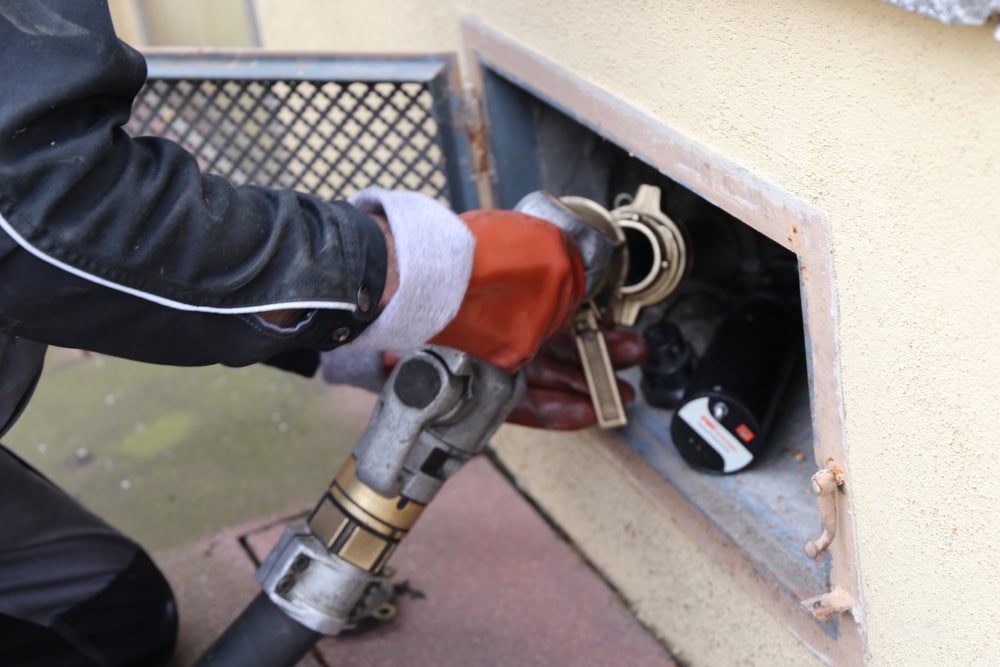
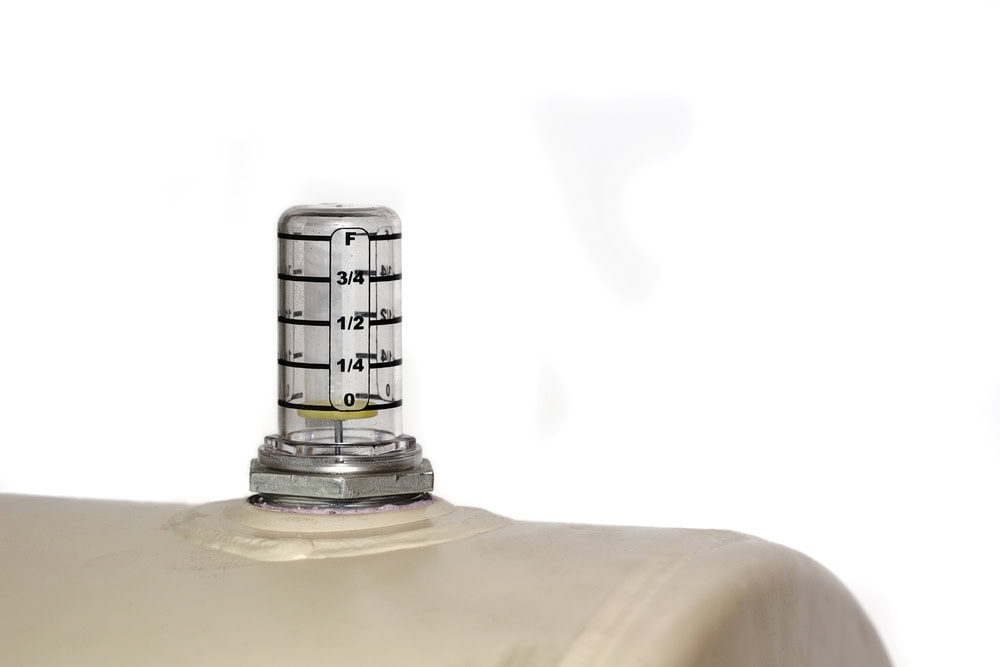
One scenario that catches a lot of Suffolk County homeowners off guard: running completely out of heating oil. When the tank goes dry, the burner shuts down — and it won’t restart on its own once the oil is refilled. A certified technician needs to bleed the fuel line and manually restart the system. That means you’re paying for an emergency oil delivery and a service call. It’s a situation that’s almost entirely preventable, but it happens every winter across Brookhaven, Smithtown, Islip, and communities all the way out to the East End.
This is a real question, and the honest answer depends on how cold it is and who’s in your home. When Suffolk County temperatures drop below 20°F — which happens regularly — waiting overnight without heat isn’t just uncomfortable. It creates genuine risk: frozen pipes, health concerns for elderly family members or young children, and potential damage to the home itself. In those situations, the after-hours surcharge is almost always worth paying.
If temperatures are mild and you have supplemental heat sources, waiting until morning for a non-emergency repair can save you $50 to $100 on the service call. But if you’re not sure what’s wrong, don’t assume it’s minor. A cracked heat exchanger is a carbon monoxide risk regardless of the outdoor temperature. If you smell something unusual, hear sounds you haven’t heard before, or your system is short-cycling, get someone out there.
Before you call, check a few things yourself. Verify the thermostat is set correctly and hasn’t lost its programming. Check the circuit breaker. Look at the air filter — a completely blocked filter can cause a system to shut down on its own. These are free fixes that, if you catch them first, save you the cost of a service call entirely. If none of those are the issue, then you’re looking at a real repair, and it’s time to call someone who knows oil burner systems.
One practical note: when you call, ask the company directly what their emergency fee is before they dispatch anyone. Reputable companies will tell you upfront. If they won’t give you a number before sending a technician, that’s worth paying attention to.
Want live answers?
Connect with a Suffolk Oil expert for fast, friendly support.
Weekend calls follow the same logic as after-hours calls, just with more consistency in the surcharge. Most Long Island heating companies apply their emergency rate to all weekend service — Saturday and Sunday, regardless of the time of day. That typically means the $50 to $100 surcharge applies from the moment the weekend starts, and holiday rates can push that higher.
The practical takeaway is that if your system is making strange noises on a Thursday, don’t wait until it fails on a Saturday night. Schedule a diagnostic call during the week, catch the problem early, and you’ll almost always spend less than you would on a weekend emergency.
Nearly 44 percent of Suffolk County households heat with oil — one of the highest concentrations in the country. That’s roughly 243,000 homes running oil burners, many of them in housing built during the post-WWII suburban expansion of the 1950s through 1970s. A lot of those systems are aging, and aging oil heat equipment tends to fail when it’s under the most stress — which is overnight, on the coldest nights, during the weekends when temperatures drop and the system runs harder than usual.
Long Island’s coastal environment adds another layer. Salt air and humidity corrode heat exchangers, fuel lines, and burner components faster than they would in an inland environment. A system in a North Shore community like Sound Beach or Lloyd Harbor faces conditions that a furnace in a landlocked suburb simply doesn’t. That accelerated wear is part of why Suffolk County homeowners tend to see more mid-season breakdowns than homeowners in other parts of the state.
The timing of these failures isn’t random, either. Heating systems that sat idle all summer often reveal their problems during the first serious cold snap of the season — typically in October or November. If a component was borderline at the end of last winter, the summer didn’t fix it. That’s why the first nor’easter of the season tends to generate a wave of emergency service calls across communities from Patchogue to Ronkonkoma to the East End. The system ran fine in mild weather and then couldn’t handle the real load when it finally arrived.
Understanding this pattern is useful because it tells you exactly when to act. If your system is more than 15 years old, getting a tune-up done in September — before heating season starts — is the most cost-effective thing you can do. You’re not just maintaining the system; you’re finding the problem before it finds you at the worst possible time.
The most straightforward way to avoid paying emergency rates is to not have an emergency in the first place. An annual oil burner tune-up runs $149.95 through our tune-up special — compared to our regular price of $249.95. A weekend emergency service call, by contrast, can run $300 to $500 or more once you factor in the diagnostic fee, the after-hours surcharge, and the cost of whatever part failed. The tune-up costs less than the emergency surcharge alone in most scenarios.
What actually happens during a tune-up matters here. Our technicians clean the burner nozzle, check combustion efficiency, inspect the heat exchanger for cracks — which is a carbon monoxide risk if left undetected — test the safety controls, and look for any components that are showing early signs of wear. That last part is the real value. Catching a failing part in October, when parts are available and technicians aren’t stretched thin, is a completely different situation than catching it at 1 AM in February when Suffolk County is in the middle of a cold snap.
For Suffolk County homeowners specifically, the September-to-October window is the right time to schedule. Our technicians are less busy, response times are faster, and you have time to order any parts that need replacing before the heating season is fully underway. Waiting until December or January means you’re scheduling alongside everyone else who waited, and availability gets tight quickly.
Automatic delivery is another piece of the prevention picture. When you sign up for automatic delivery with us, your oil levels are monitored based on your usage history and local weather data — so you never get close to running out. That eliminates the runout scenario entirely, which means no emergency delivery call and no technician visit to bleed and restart the burner. For a county where heating oil consumption is critical to winter comfort, that kind of proactive management isn’t a luxury. It’s just smart planning.
For most common repairs, plan for $150 to $500 in Suffolk County, with a diagnostic fee of $89 to $150 that typically applies toward the repair. If the call happens after hours or on a weekend, add $50 to $100 for the emergency surcharge, and more for major component failures. Knowing those numbers ahead of time puts you in a better position to evaluate a quote and ask the right questions before anyone starts working.
The bigger takeaway is that the most expensive emergency calls are largely preventable. An annual tune-up, automatic delivery to keep your tank from running dry, and a quick check of your thermostat and breaker before you call a technician — those three things eliminate the majority of heating emergencies Suffolk County homeowners face every winter.
If you’re due for a tune-up, have questions about your oil delivery schedule, or just want to talk through your options before the season gets underway, we’ve been serving Suffolk County for over 50 years. We know these communities, we know the conditions, and we’re here to help you stay ahead of the cold.
Article details:
Share:
Continue learning: